
How Nutrition Influences Skin Hydration
Understanding the Connection
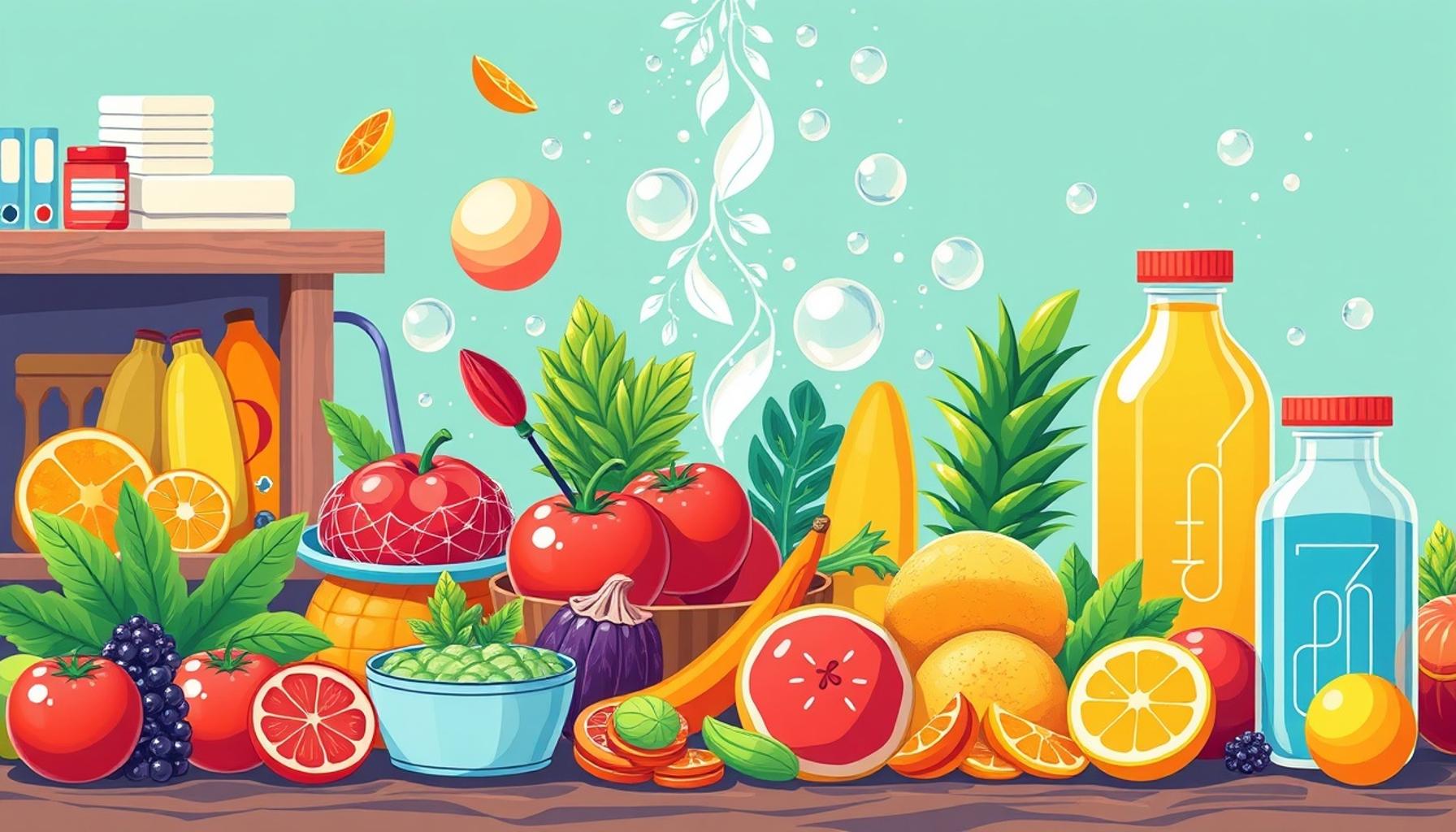
Skin hydration is pivotal for maintaining a youthful appearance and healthy skin barrier. Yet, many overlook the vital role nutrition plays in achieving optimal skin moisture levels. Recent studies suggest that what you consume can significantly impact your skin’s hydration. This correlation underscores the importance of adopting a balanced diet rich in essential nutrients that promote skin health.
The Nutrients That Matter
Certain nutrients are particularly influential in promoting skin hydration, and understanding their benefits can empower you to make conscious dietary choices.
- Omega-3 Fatty Acids: These essential fatty acids, prevalent in foods such as salmon, walnuts, and flaxseeds, help to reduce dryness and improve skin barrier function. By bolstering the skin’s natural lipid barrier, omega-3s can prevent moisture loss, making the skin appear plumper and more elastic.
- Antioxidants: Vitamins C and E are champions in the battle against oxidative stress. Vitamin C is abundant in citrus fruits, berries, and bell peppers; it not only aids in collagen production but also protects against UV damage. On the other hand, vitamin E, found in nuts and seeds, helps in healing and fortifying the skin. Together, these antioxidants keep skin vibrant and help maintain its youthful glow.
- Hydrating Foods: Fruits and vegetables, especially those high in water content like cucumbers, tomatoes, and oranges, provide hydration from within. Consuming a salad or smoothie made with these ingredients can effectively contribute to your daily moisture intake. Additionally, avocados are a fantastic source of healthy fats that amplify skin moisture.
Hydration Beyond Water
While drinking adequate water is essential for overall health, hydration comes from a variety of sources, and the role of electrolytes cannot be overstated. Found in foods such as bananas, spinach, and yogurt, electrolytes like potassium and magnesium help preserve fluid balance in the body, further enhancing hydration. For instance, incorporating a banana into your breakfast smoothie or enjoying a spinach salad alongside dinner can significantly impact your skin’s moisture levels.
As you explore the relationship between nutrition and skin hydration, consider how incorporating these elements can lead to radiant skin. Simple dietary adjustments, such as including omega-3-rich foods or snacking on hydrating fruits, could be the key to unlocking your skin’s true potential. Embracing a variety of nutrient-dense foods not only nourishes your skin but also fuels your overall health, making it a win-win for those seeking a luminous complexion.
By understanding the intricate ties between what you eat and how your skin feels, you can embark on a path to better skin health that transcends topical treatments. The journey towards achieving hydration and overall skin vitality starts on your plate.
DISCOVER MORE: Click here to learn how to adapt your beauty routine
Essential Nutrients for Optimal Skin Hydration
To truly appreciate how nutrition influences skin hydration, it’s essential to dive deeper into the specific nutrients that work synergistically to maintain skin vitality. Each nutrient plays a unique role in supporting the skin’s natural hydration levels, helping to create a supple and radiant appearance. Below, we explore key vitamins, minerals, and fatty acids that you can incorporate into your diet for remarkable skin health.
Vitamins for Vibrant Skin
Vitamin A, often hailed as a skin superhero, is crucial for cell turnover and skin repair. Found in colorful fruits and vegetables like carrots, sweet potatoes, and dark leafy greens, vitamin A helps to maintain skin moisture and elasticity. It also plays a role in creating new skin cells, essential for keeping your complexion fresh and renewing dull skin.
B Vitamins are equally vital, especially Vitamin B3 (niacinamide). This powerhouse vitamin improves the skin barrier’s function and helps maintain moisture levels, effectively preventing dryness. You can find B vitamins in whole grains, eggs, and legumes, making them easy additions to a skin-friendly diet.
The Role of Minerals
Zinc is another mineral worth mentioning due to its anti-inflammatory properties that help combat skin irritation and redness. It also aids in collagen synthesis, fostering skin structure. Foods rich in zinc include oysters, pumpkin seeds, and chickpeas, making snacking not only delicious but beneficial for your skin’s hydration as well.
- Magnesium: This crucial mineral supports hydration by regulating moisture retention and cell function. Sources include dark chocolate, legumes, and leafy greens.
- Selenium: Known for its antioxidant properties, selenium can help protect the skin from environmental damage while supporting skin elasticity. It’s found in Brazil nuts, seafood, and eggs.
Healthy Fats for Moisture Retention
The inclusion of healthy fats is another dietary consideration that plays a vital role in skin hydration. Foods high in monounsaturated and polyunsaturated fats, such as olive oil, nuts, and fatty fish, contribute to maintaining the skin’s lipid barrier. This lipid barrier is essential for retaining moisture and keeping the skin hydrated and youthful.
Moreover, incorporating foods rich in gamma-linolenic acid (GLA), like evening primrose oil and borage oil, can provide an extra boost to skin hydration. GLA has been shown to improve skin barrier function, further preventing water loss and enhancing overall skin appearance.
Understanding how these essential nutrients impact skin hydration can radically change your approach to skincare. By focusing on a nutrient-dense diet filled with vitamins, minerals, and healthy fats, you are not only nourishing your skin from within but also setting the stage for a healthier complexion. Such dietary modifications pave the way for optimal hydration, confirming that the journey to beautiful skin indeed starts from your plate.
| Nutritional Element | Impact on Skin Hydration |
|---|---|
| Omega-3 Fatty Acids | These essential fats help strengthen skin barrier function, enhancing moisture retention. |
| Hydration Levels | Adequate water intake is crucial; it directly influences skin plumpness and elasticity. |
| Antioxidants | Vitamins C and E protect skin cells from damage, aiding the skin’s hydration process. |
| Collagen | Boosting collagen intake can improve skin structure, leading to better moisture absorption. |
Nutritional choices significantly shape skin hydration, transforming how our skin appears and feels. Notably, nutrients like Omega-3 fatty acids, found in foods such as fish and flaxseed, are critically essential for maintaining that all-important skin barrier, which preserves moisture. Hydration is another key player; simply drinking enough water can dramatically affect the level of hydration in the skin.
Moreover, incorporating antioxidants, such as vitamins C and E, can shield the skin from oxidative stress, hence improving its texture and moisture retention. Focus should also be placed on collagen – a key protein that supports skin structure and resilience. By prioritizing collagen-rich foods or supplements, individuals can enhance their skin’s ability to remain hydrated and supple.
DISCOVER: Click here for tips on achieving a radiant complexion
Hydration and Its Relationship with Water Intake
While nutrient-dense foods present formidable allies in the quest for skin hydration, adequate water intake is perhaps the most fundamental aspect influencing skin moisture levels. The human body is predominantly made up of water, and hydration affects every organ, including your skin. Insufficient water intake can lead to a parched and lackluster complexion, making drinking adequate fluids not just a wellness recommendation but a necessity.
Research shows that drinking at least 8 cups of water daily can significantly enhance skin hydration and elasticity. Some experts argue for more, especially for those residing in hotter climates or engaging in regular physical exercise. Interestingly, consuming hydrating foods such as cucumbers, watermelon, and oranges can supplement your water intake. These foods provide not only hydration but also essential vitamins and minerals that support skin health.
The Impact of Diet on Skin Texture
The relationship between nutrition and skin hydration extends beyond just maintaining moisture levels; it directly affects skin texture as well. A diet high in antioxidant-rich foods can protect the skin from oxidative stress caused by free radicals, which can lead to premature aging. Vitamin C is a standout antioxidant found in citrus fruits, strawberries, and bell peppers. It plays a critical role in collagen production, leading to firmer and plumper skin.
Alongside vitamins, polyphenols in foods like green tea or dark berries can further enhance skin hydration thanks to their anti-inflammatory properties. By reducing inflammation, they can also improve overall skin texture. This means that integrating rich sources of antioxidants into your diet can visibly rejuvenate your skin, making it appear not only hydrated but also healthier and more vibrant.
The Role of Gut Health in Skin Hydration
What many may overlook is that gut health plays a surprising role in skin hydration. A balanced gut microbiome can improve nutrient absorption and influence hydration levels. Studies have indicated that a diet high in fiber from fruits, vegetables, and whole grains can promote a healthy gut microbiome, leading to better skin health. Probiotics found in yogurt and fermented foods such as kimchi can also contribute to healthy skin by enhancing gut flora and, consequently, hydration status.
Furthermore, the consumption of omega-3 fatty acids from sources like flaxseeds and walnuts can reduce inflammatory skin conditions such as eczema and psoriasis, creating a more sustainable environment for skin hydration. These fatty acids help maintain the skin’s lipid barrier, ensuring hydration isn’t lost throughout the day.
Processed Foods and Skin Health
Conversely, the consumption of highly processed foods can significantly harm skin hydration. Foods high in sugar and trans fats can lead to inflammation and break down collagen, negatively affecting skin elasticity and moisture. A diet rich in refined carbohydrates and sugars can also provoke insulin spikes, leading to acne and other skin issues.
By focusing on whole, nutrient-rich foods and minimizing the intake of processed alternatives, you cultivate not just a holistic approach to nutrition but also one that directly benefits your skin’s hydration and overall appearance.
DISCOVER MORE: Click here to learn how to make your own natural scrubs
Conclusion: Embracing Nutrition for Radiant Skin
As we navigate the complex relationship between nutrition and skin hydration, it becomes evident that our dietary choices play a pivotal role in achieving a glowing complexion. From ensuring adequate water intake to incorporating a variety of nutrient-rich foods, each decision we make can significantly affect our skin’s moisture levels and overall health. Rich sources of antioxidants, omega-3 fatty acids, and fiber can not only enhance the skin’s texture but also fortify its natural defenses against environmental stressors.
Moreover, understanding the link between gut health and skin hydration offers exciting avenues for improving not only our digestive health but also our skin’s resilience. Probiotics and a fiber-rich diet promote a balanced microbiome, which can translate into better hydration and reduced inflammation.
However, it’s essential to be mindful of the impact of processed foods on skin vitality. The temptations of convenience can often lead us to opt for sugary and refined carbohydrates, which might undermine our efforts to keep our skin hydrated and healthy. By aligning our dietary habits with wholesome choices, we foster an environment that supports skin health and enhances our natural beauty.
Ultimately, a commitment to nourishing our bodies through balanced nutrition not only reflects a proactive approach to skincare but also empowers us to reveal our healthiest selves. As you embark on this journey, remember that every plate is an opportunity to invest in your skin’s future. So, stretch beyond the basics, explore the vibrant world of fresh produce, and let your skin shine with the vitality it craves.