
Understanding the Threat Landscape
The surge in phishing scams has coincided with the explosive growth of instant messaging apps. These platforms, favored for their convenience and immediacy, offer an engaging environment that cybercriminals exploit. With over 2 billion users on WhatsApp, 500 million on Telegram, and nearly 1.3 billion using Facebook Messenger, the vast pool of potential victims makes these platforms particularly lucrative for phishing attempts.
Common Methods Employed by Cybercriminals
Cybercriminals are increasingly sophisticated in their approaches, employing a variety of methods to ensnare their victims. Understanding these tactics is vital in safeguarding your personal information.
- Fake links: These are often disguised as legitimate URLs, fooling users into clicking them. For instance, a message may claim to be from your bank, directing you to a website that looks official but is designed to capture your login details. Cybersecurity experts advise hovering over links before clicking to reveal their true destination.
- Impersonation: Scammers often create accounts that mimic trusted contacts, making it seem as though a friend or family member is in need of assistance. This could range from urgent requests for money to fake offers that seem too good to pass up. A prime example could be a message appearing to be from a colleague requesting you to transfer funds to help “resolve an emergency.”
- Urgent requests: Messages that create a sense of urgency, such as claiming that your account will be suspended unless you act immediately, are classic phishing tactics. This psychological pressure can lead individuals to make hasty decisions without verifying the authenticity of the request.
The Growing Concern
The need for vigilance has never been more apparent. The FBI’s Internet Crime Complaint Center (IC3) reported that in 2022 alone, phishing complaints surged by over 70%, reflecting an alarming trend that impacts everyday users across the United States. As scams evolve, they become harder to detect, leveraging social engineering techniques that tap into human emotions and instincts.
Protecting Yourself Against Phishing
Equipped with the right knowledge, users can identify potential red flags in their chats and enhance their online safety. For example, you should always validate requests for sensitive information through reliable channels. If someone asks for personal data, such as passwords or Social Security numbers, take a step back and verify the identity of the requester through a phone call or an in-person conversation.
Tech-savvy individuals may also consider employing additional layers of security, such as multifactor authentication and enhanced privacy settings on their apps. By being skeptical yet aware, you can significantly reduce the risk of falling victim to these insidious scams.
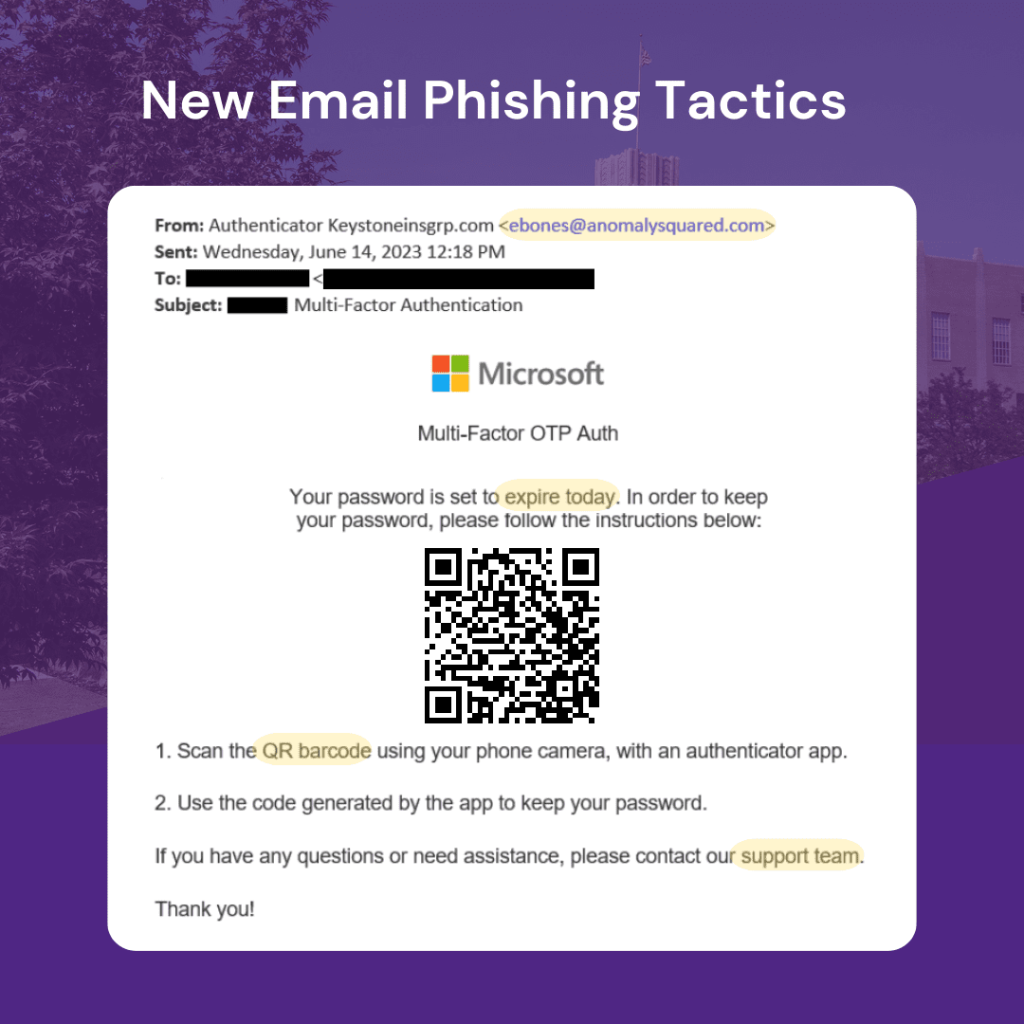
In the sections that follow, we will explore strategies for identifying phishing attempts and offer practical tips that can empower you to navigate these popular messaging platforms with confidence and security.
Strategies for Identifying Phishing Attempts
As the nature of phishing continues to evolve, so too must our approach to identifying and thwarting these scams. Being aware of the most common phishing techniques is the first line of defense in protecting yourself while using instant messaging apps. Here are some effective strategies to help you stay vigilant and secure:
- Scrutinize the sender’s information: Often, phishing messages come from accounts that appear legitimate at first glance but contain subtle discrepancies. Look for irregularities in the username or slight variations in the display name that might indicate an impersonator.
- Question unusual requests: If you receive an unexpected message asking for sensitive information or financial assistance, take a moment to pause and assess the situation. Legitimate organizations or your contacts will typically not request such information in an informal setting.
- Check for spelling and grammatical errors: Many phishing attempts originate from non-native English speakers, leading to poorly worded messages. Pay attention to any misspellings or awkward phrasing as potential indicators of a scam.
- Verify through trusted channels: If you receive a link or request from someone you know, confirm it by reaching out directly through a separate communication method. A quick phone call or in-person conversation can go a long way in preventing potential fraud.
- Be cautious with attachments: Phishing messages may contain files that, once downloaded, can introduce malware or spyware to your device. Avoid opening any attachment from untrusted sources, and always ensure your antivirus software is up to date.
Even with these precautions, it’s essential to remain adaptive, as cybercriminals are constantly developing new tactics. Regularly educating yourself about the latest phishing strategies will help you recognize red flags as they emerge. For instance, following reputable cybersecurity blogs or news outlets can keep you informed about recent scams affecting users in the United States.
Empowering Yourself with Technology
In addition to being informed on how to identify potential scams, it is crucial to utilize technology to enhance your defenses. Multifactor authentication (MFA) is one powerful tool to consider; by requiring an additional verification step when logging in to your accounts, it creates a barrier that makes unauthorized access considerably more challenging. Most instant messaging apps now offer MFA, making it easier than ever to bolster your security.
Furthermore, regularly updating the privacy settings on your messaging apps can help limit the exposure of your information. Review what personal data you are sharing and adjust your settings to restrict visibility to unknown contacts. This proactive step can help minimize the risk of being targeted by a phishing attempt.
By employing these strategies—both observational and technological—you can enhance your resilience against phishing in instant messaging apps. In the following sections, we will delve deeper into identifying specific phishing techniques and elaborate on additional best practices to ensure a safer messaging experience.
How to Avoid Phishing in Instant Messaging Apps
In the digital age, instant messaging apps have become a common method of communication, which also makes them prime targets for phishing attacks. Phishing in instant messaging is a prevalent threat, where attackers deceive users to reveal sensitive information. Understanding how to protect oneself in these environments is crucial.
| Category | Key Features |
|---|---|
| Awareness | Staying informed about the latest phishing tactics helps users identify suspicious messages. |
| Verification | Always verify the sender’s identity directly through a separate communication method if something seems off. |
| Educate Yourself | Learn about phishing signs, such as poor grammar or unusual requests. |
| Secure Settings | Adjust privacy settings to limit who can contact you and view personal information. |
By implementing these strategies, users can significantly reduce the risk of falling victim to phishing scams in instant messaging apps. Additionally, always keep your apps and devices updated to ensure you are protected from known vulnerabilities. Remember, staying vigilant and informed is key in these digital interactions.
Establishing Strong Communication Habits
In the ever-evolving landscape of digital communication, creating a strong foundation of best practices can significantly reduce your risk of falling victim to phishing schemes within instant messaging apps. Developing consistent and safe communication habits is just as important as understanding the tactics of cybercriminals. Here are some proactive approaches you can implement:
- Create a unique messaging profile: When signing up for instant messaging apps, consider using a username or display name that is not easily associated with your real-life identity. This can help mitigate the risk of impersonation, making it more difficult for attackers to target you through phishing.
- Limit personal information sharing: Even with friends and family, be cautious about the amount of personal information you share via messaging apps. Avoid discussing sensitive details, such as financial information or passwords. Establish a standard of communicating such information only through secure channels.
- Set clear boundaries in your communication: Make it known to your contacts that you will never share sensitive information over instant messaging. This practice can help dissuade cybercriminals from attempting to use your contacts against you. Encourage your connections to do the same to build a secure community.
- Report suspicious activity: If you encounter a message that raises red flags, report it immediately to the platform provider. Most messaging apps have dedicated options to report phishing or scam attempts. This not only helps protect you but also aids in shielding other users from similar encounters.
- Keep a keen eye on links: Cybercriminals often use shortened URLs to disguise malicious links. If you receive a link that seems out of context or is from an unexpected source, hover over it (or use the link preview feature, if available) to reveal the actual URL before clicking. Always be skeptical of any link that does not align with the conversation.
Building effective communication habits also extends to the tools you utilize for messaging. Familiarize yourself with the security features available within each app. For instance, platforms like WhatsApp, Signal, and Telegram have end-to-end encryption, which can add an extra layer of security to your conversations. Understanding and leveraging these features can significantly decrease your susceptibility to phishing attacks.
Staying Informed and Prepared
In an age where cybersecurity awareness is more vital than ever, staying informed about the latest threats and phishing attempts is crucial. Engaging with educational resources can deepen your understanding of potential risks:
- Participate in cybersecurity workshops: Many organizations and local libraries host workshops focusing on digital security. These sessions can provide valuable insights into recognizing phishing attempts and using instant messaging apps securely.
- Follow cybersecurity experts: Cybersecurity professionals often share current trends and tactics used by cybercriminals through blogs, social media, and webinars. Following these experts can help you stay ahead of emerging phishing attempts.
- Utilize threat intelligence platforms: Consider subscribing to threat intelligence services that can provide real-time alerts about known phishing campaigns and security breaches. Being proactive can enable quicker reactions to potential threats.
Through these practices and continuous education, you can create a robust defense against phishing scams targeting instant messaging apps. Developing diligent communication habits and investing in your cybersecurity knowledge will empower you to navigate the digital landscape confidently.
Conclusion: Empowering Yourself Against Phishing Threats
As instant messaging apps continue to play an integral role in our daily communication, the significance of safeguarding oneself against phishing threats cannot be overstated. The implementation of best practices surrounding digital conversations is essential in arming yourself with the necessary tools to prevent falling victim to scams. By designing a unique messaging profile, limiting the dissemination of personal information, and reporting suspicious activities, you create a strong defense against cybercriminals. Additionally, your vigilance towards external links is critical; always approach unfamiliar URLs with caution.
The consciousness of evolving phishing tactics and the continuous pursuit of knowledge is equally vital. Engaging with resources like cybersecurity workshops, following experts in the field, and subscribing to threat intelligence platforms can illuminate potential threats and enhance your preparedness. Not only does this proactive approach shield you, but it also cultivates a community of cybersecurity awareness among your contacts.
In conclusion, empowering yourself against phishing requires a combination of strong communication habits, education, and community engagement. By taking these steps, you don’t just protect yourself, but contribute to a safer digital environment for everyone. As you navigate the dynamic landscape of instant messaging apps, remember that staying informed, vigilant, and proactive is your most powerful asset in the fight against phishing schemes.
Related posts:
Security in Mobile Applications: Tips to Protect Your Personal Data
How to Protect Your Devices from Malware in Download Apps
Privacy in Social Media Apps: How to Protect Your Personal Information
The Importance of Two-Factor Authentication in Popular Applications
Software Updates: Why They Are Crucial for the Security of Your Devices
How to Protect Your Mobile Devices Against Security Threats

Beatriz Johnson is a seasoned tech writer and digital tools expert with a passion for simplifying the complexities of technology and mobile applications. With over a decade of experience in the tech industry, she specializes in topics like productivity apps, software reviews, and emerging digital trends. Through her work, Beatriz empowers readers to make informed technology choices and stay ahead in the ever-changing world of apps and innovation.