
The Critical Role of Software Updates in Cybersecurity
Software updates have become paramount in the modern digital landscape, acting as the frontline defense in our increasingly connected world. Every day, developers release updates not solely to refine features, but also to rectify security vulnerabilities that could potentially endanger users. Failure to apply these updates can have dire consequences, affecting personal security and corporate integrity alike.
Protect Against Malware
One of the primary functions of software updates is to patch security flaws that hackers often exploit to gain unauthorized access to devices. For example, the notorious WannaCry ransomware attack in 2017 capitalized on a Windows vulnerability. The exploit was known to Microsoft, and a patch had been released weeks before the attack. Those who had not installed the update faced severe consequences, with many losing vital data. This highlights that nearly 60% of cyberattacks exploit known vulnerabilities for which solutions are readily available through updates. Therefore, keeping software up to date can significantly reduce the likelihood of falling victim to malware.
Improve Performance
Regular updates also serve to enhance the overall performance of devices. Developers frequently optimize software to ensure that it runs smoothly and efficiently, thus preventing sluggishness or unexpected crashes. For instance, Apple routinely optimizes its iOS updates, making devices faster and more responsive through the elimination of bugs and the enhancement of processes. Users often notice improved battery life and faster processing speeds after updates, which contributes to a more satisfactory user experience.
Enhance Features
In addition to security and performance, updates often introduce new features that users might find beneficial. For example, social media platforms like Facebook and Twitter frequently update their applications to incorporate new functionalities—such as enhanced privacy options, user interface improvements, or advanced messaging features. By staying current with updates, users not only access vital security patches but also benefit from the latest innovations that improve their engagement with technology.
Moreover, timely updates play a crucial role in achieving compliance with regulatory standards and industry best practices. Different sectors, particularly finance and healthcare, have stringent requirements concerning data protection. By keeping software updated, organizations align themselves with legal standards that mandate stringent cybersecurity measures, showcasing their commitment to safeguarding sensitive information.
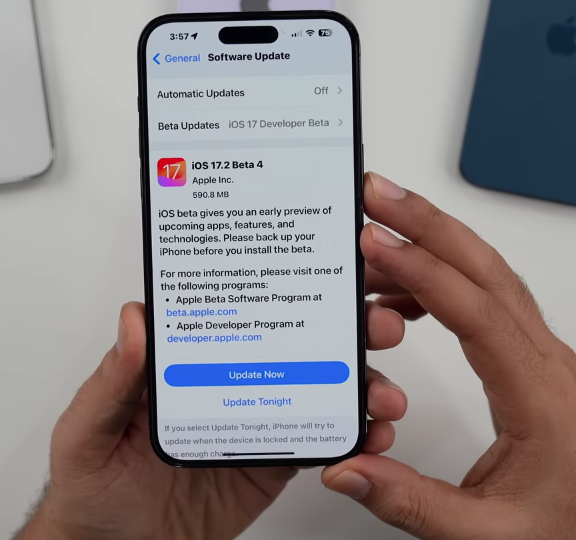
As we move further into an era where digital threats are continually evolving, understanding the importance of software updates is critical. Prioritizing these updates not only ensures the security of devices but also protects personal data against increasingly sophisticated malicious entities. So next time you receive a notification for an update, remember—the implications of delaying those updates can far outweigh the inconvenience of installing them.
DIVE DEEPER: Click here to discover how to safeguard your data
The Impact of Ignoring Software Updates
In an age where digital dependencies are an everyday reality, the urge to postpone software updates can often be quite tempting. However, the repercussions of ignoring these updates can be profound and far-reaching. Cybercriminals are always on the lookout for unprotected devices, and neglecting to install updates not only leaves your devices vulnerable but can also lead to significant financial and emotional costs.
The Hidden Costs of Outdated Software
Outdated software can serve as a beacon for cyberattacks. Studies have shown that the vast majority of cyber threats target systems that are not updated. For instance, research from the Ponemon Institute indicates that approximately 70% of data breaches are attributed to vulnerabilities for which patches already exist. This statistic underscores the critical need for regular software updates as a fundamental component of any cybersecurity strategy.
- Financial Repercussions: The costs incurred from a cyberattack can be staggering. Organizations that experience data breaches can face expenditures that total millions, including legal fees, regulatory fines, and loss of customer trust.
- Reputation Damage: A single instance of a data breach can tarnish a company’s reputation. Customers expect their service providers to take their security seriously, and a failure to safeguard data can lead to a loss of clientele and damage to brand image.
- Operational Disruption: Cyberattacks can halt normal business activities, resulting in lost revenue opportunities and productivity declines. Companies may find themselves grappling with the aftermath of an attack for weeks or even months.
The Growing Complexity of Cyber Threats
The landscape of cyber threats is continually evolving, with hackers employing increasingly sophisticated techniques to exploit vulnerabilities. Ransomware-as-a-Service (RaaS) models have made it easier than ever for even novice cybercriminals to launch attacks. These developments heighten the importance of staying ahead of potential threats through proactive software updates. For example, in the years leading up to 2023, incidents related to zero-day vulnerabilities—exploits for which no patches exist at the time of the attack—have risen dramatically. This reality calls for a vigilant approach to software management.
In light of these challenges, users must embrace a mindset that prioritizes timely software updates as a primary means of defense against cyber threats. The next paragraph will focus on the additional benefits of maintaining up-to-date software beyond just security, helping to illustrate why this practice should not be seen as an inconvenience but rather a vital strategy for optimal device management and protection.
| Advantage | Details |
|---|---|
| Enhanced Security | Regular software updates patch vulnerabilities and protect against new threats. |
| Improved Performance | Updates often include performance enhancements, ensuring devices run smoothly and efficiently. |
| Access to New Features | Updates can introduce new functionalities that enhance user experience and device capabilities. |
| Compatibility | Keeping your software updated ensures compatibility with other applications and services. |
| User Trust | Regular updates build user trust in technology through commitment to security and performance. |
In today’s digital world, the significance of software updates cannot be overstated. Each update presents an opportunity to enhance the overall security of devices and protect against emerging cyber threats. For example, recent statistics show that over 60% of breaches exploit known vulnerabilities that could be mitigated through timely updates. Moreover, users who regularly update their systems often experience fewer crashes and improved application speeds due to performance optimizations included in these updates. From accessing cutting-edge features to ensuring your devices remain compatible with the latest apps, the benefits extend beyond mere security. Therefore, staying informed and proactive about software updates plays a critical role in maximizing device longevity and functionality.
DISCOVER MORE: Click here to learn how to protect yourself
The Broader Advantages of Regular Software Updates
While the primary focus on software updates is often tied to security enhancements, the benefits of maintaining up-to-date software extend far beyond merely preventing cyberattacks. In fact, implementing regular updates can improve overall device performance and user experience, making it an essential practice for optimizing technology use, especially for businesses and individuals alike.
Enhanced Performance and Usability
Software developers continuously refine their applications, not only to bolster security but also to enhance functionality and provide a smoother user experience. When users install software updates, they often gain access to new features and improvements that can make tasks easier and faster. For instance, frequent updates can result in faster processing speeds, improved battery life on mobile devices, and increased compatibility with the latest technologies, such as cloud services and smart devices.
- Improved Features: Updates can introduce new tools that aid users in being more productive. For example, office suite programs frequently roll out features that facilitate collaboration and streamline workflows, making it imperative for users to update regularly.
- Bug Fixes: Updates often address bugs and glitches that can hinder performance. By routinely installing updates, users can enjoy a more stable and reliable experience, minimizing disruptive interruptions.
- Compatibility: As technology evolves, newer hardware and software are released. Updates ensure that your software remains compatible with other applications and devices, enabling seamless integration and functionality across platforms.
Compliance with Regulatory Standards
In an increasingly regulated environment, particularly in sectors such as healthcare and finance, compliance with data protection standards has become a non-negotiable aspect of operations. Regular software updates are a cornerstone of compliance, as they often contain necessary modifications to ensure adherence to evolving legislation such as the Health Insurance Portability and Accountability Act (HIPAA) or the General Data Protection Regulation (GDPR). By keeping software current, organizations can better protect sensitive data and mitigate the risks of compliance violations, which can lead to hefty fines.
Additionally, customers are more likely to engage with services that prioritize data security and compliance. With heightened public awareness of data privacy issues, companies that demonstrate rigorous efforts to secure data through timely software updates are more likely to foster consumer trust and loyalty.
Fostering a Security-Conscious Culture
Incorporating a routine of regular software updates can contribute to a broader culture of security awareness within organizations and among individuals. When users take software updates seriously, it instills a proactive mindset regarding cybersecurity. Education on the importance of staying updated becomes a natural extension of cybersecurity training sessions, fostering vigilance against potential threats. This culture can yield long-term benefits, leading to a workforce that is more aware of cybersecurity risks, promoting safe online behavior beyond the confines of basic technology practices.
As a result, embracing timely software updates can be seen as part of a larger commitment to security, compliance, and performance, redefining how users interact with their devices and software. Therefore, the next time you receive a notification about an available update, remember that it’s not merely a reminder; it’s a critical step in safeguarding your devices and optimizing their functionality.
DISCOVER MORE: Click here to learn about two-factor authentication
Conclusion
In an era where cyber threats are increasingly sophisticated, software updates have become a vital line of defense for both personal and organizational devices. The significance of these updates goes beyond mere security; they enhance performance, improve usability, and ensure compliance with ever-evolving regulations. Staying current with software updates not only protects sensitive data but also maximizes device functionality, enabling users to leverage new features and improvements that can significantly streamline their workflows.
As we navigate an increasingly digital world, the importance of fostering a security-conscious culture cannot be overstated. By cultivating a proactive approach to software updates, individuals and organizations can create an environment where cybersecurity becomes ingrained in daily practices. This shift not only fortifies defenses against potential attacks but also builds trust with consumers who prioritize data privacy.
Ultimately, every notification for a software update is more than just a simple prompt; it embodies a broader commitment to security and efficiency. Embracing these updates is essential for anyone looking to protect their devices and data in today’s technological landscape. So, the next time you receive an update alert, take a moment to consider the underlying benefits and make that crucial step toward not just security, but an enhanced user experience. The future of your digital safety may very well depend on it.
Related posts:
How to Protect Your Devices from Malware in Download Apps
Privacy in Social Media Apps: How to Protect Your Personal Information
Cloud Security: Protecting Your Files and Sensitive Data
How to Avoid Phishing in Instant Messaging Apps
How to Protect Your Mobile Devices Against Security Threats
How to Identify and Avoid Malicious Apps on Your Device

Beatriz Johnson is a seasoned tech writer and digital tools expert with a passion for simplifying the complexities of technology and mobile applications. With over a decade of experience in the tech industry, she specializes in topics like productivity apps, software reviews, and emerging digital trends. Through her work, Beatriz empowers readers to make informed technology choices and stay ahead in the ever-changing world of apps and innovation.