
The Impact of Augmented Reality on Mobile Applications
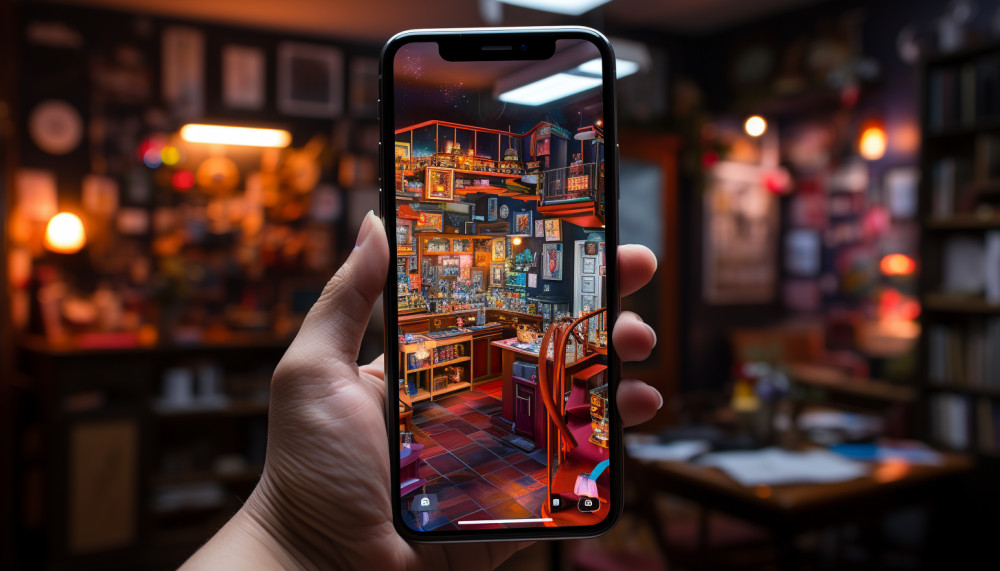
In today’s fast-paced digital landscape, mobile applications have transcended traditional functionalities. They now serve as gateways to experiences that blend the physical world with digital enhancements. Augmented Reality (AR) is at the forefront of this evolution, reshaping how users interact with mobile technology. This innovative technology overlays digital information, such as images and sounds, onto the real world, thereby enriching user engagement and creating a more dynamic interaction.
The integration of AR in mobile applications has the potential to significantly improve user experience (UX). Apps infused with AR capabilities allow users to interact with their environment in ways previously thought to be the realm of science fiction. Some noteworthy examples include:
- Navigation: Apps like Google Maps utilize AR features to provide real-time directions. By activating the AR mode, users can point their smartphone cameras at their surroundings to receive navigational cues that blend seamlessly with the environment, making it easier to reach destinations without losing sight of their physical context.
- Retail: Retail giants such as IKEA have pioneered apps that enable users to visualize furniture in their own homes. By simply using their mobile devices to scan a room, shoppers can see how specific furniture items would fit and look in their spaces, alleviating uncertainty and enhancing purchasing confidence. This has notably changed the way consumers approach online shopping, enabling a more personalized experience.
- Gaming: Games like Pokémon GO have redefined social interaction and outdoor activities. By encouraging players to explore real-world locations to catch virtual creatures, this AR game has fostered community engagement and revitalized local economies, as players often visit parks and landmarks that they may not have otherwise experienced.
The intersection of AR and UX is not just about adding impressive visuals; it’s about enhancing functionality and streamlining processes. Users increasingly expect applications to provide seamless and intuitive interactions that anticipate their needs. This demand for a smooth experience emphasizes a shift towards creating immersive and tailored applications. For example, AR applications can now support product demonstrations, allowing customers to visualize how complex products operate before making a purchase.
As developers continue to explore this exciting frontier, understanding the balance between technology integration and user-centric design will be crucial. Beyond just visual appeal, the focus must also shift to the practical benefits that AR can provide in enhancing everyday tasks, from improving learning through interactive educational tools to facilitating remote collaboration in professional environments. Understanding these dynamics not only helps developers create better products but also ensures that users remain engaged in this rapidly evolving digital space.
This article delves into the implications of AR on mobile applications and how it transforms user experiences in profound ways, ultimately opening doors to new artistic and functional possibilities in the digital realm.
DON’T MISS OUT: Click here to learn how to stay safe
Redefining User Engagement Through Augmented Reality
The fusion of Augmented Reality (AR) technology with mobile applications is not merely a trend; it is a transformative force that is reshaping how users experience digital content. As consumers become increasingly accustomed to the seamless integration of technology into their daily lives, the expectation for immersive experiences rises correspondingly. Mobile applications that leverage AR capabilities can create interactive environments that cater to individual user needs, thereby enhancing overall user experience (UX).
One of the critical elements driving the success of AR in mobile applications is its ability to create context-rich experiences that go beyond static screens. By merging virtual elements with the real world, AR applications can provide information that is relevant and situated. For instance, during shopping, users can hold their devices in front of a product and receive augmented information, such as user reviews, price comparisons, and virtual try-ons. This dynamic interaction not only informs decision-making but also fosters a sense of connection between the user and the product.
Research shows that AR-enhanced applications lead to higher customer engagement rates. According to a report by Statista, businesses employing AR in their mobile apps can experience up to a 70% increase in customer interaction time. To illustrate, consider the following key areas where AR significantly enhances user experience:
- Education: AR applications like Google Expeditions allow students to embark on virtual field trips, interact with 3D models, and visualize complex concepts in an engaging manner. These interactive opportunities promote deeper understanding and retention of knowledge.
- Healthcare: AR has found applications in medical training, where aspiring doctors can practice surgical procedures in a simulated environment. Applications like Touch Surgery provide a safe space for hands-on learning without the real-world risks, thereby enhancing educational outcomes.
- Real Estate: With real estate apps leveraging AR, potential buyers can conduct virtual tours of properties. By visualizing space from various angles, users can make informed decisions without the need for a physical visit.
This growing intersection of AR and UX is reshaping traditional paradigms of interaction. As mobile users increasingly favor apps that provide meaningful experiences, the demand for applications that prioritize intuitive design while integrating AR technology becomes more pronounced. Developers are now tasked with creating applications that are not only visually captivating but also strategically serve user needs in practical contexts.
While the potential of AR in mobile applications is vast, it is essential to recognize the challenges that accompany these advancements. Issues related to usability, accessibility, and technological limitations can hinder the potential benefits. As developers navigate these complexities, a user-first approach in designing AR applications will remain critical to ensuring that technological integration enhances rather than complicates the user journey.
In the subsequent sections of the article, we will explore the implications of AR on user behavior, the nuances of designing engaging AR applications, and the evolving trends that are likely to shape the future of mobile technology.
The Intersection of Augmented Reality and User Experience in Mobile Applications
As the field of mobile applications continues to evolve, augmented reality (AR) emerges as a game-changing technology that enhances user experience significantly. One area notably impacted by this fusion is retail. Mobile applications utilizing AR allow users to visualize products in their own environment before making a purchase, thereby reducing the apprehension associated with online shopping.
Consider the function of apps like IKEA Place, which enable users to virtually place furniture in their homes. This not only increases consumer confidence but also fosters a deeper emotional connection between the user and the product. Additionally, AR improves accessibility for users by providing real-time information overlay, assisting individuals with disabilities through navigation or task guidance.
Moreover, the integration of AR in educational applications can transform learning into an engaging and immersive experience. Apps that leverage AR can bring complex concepts to life, such as 3D anatomical models in biology, making intricate details easier to understand. This “experience-first” approach facilitates improved information retention and comprehension.
As we explore this intersection further, it is essential to consider how AR enhances user engagement through gamification. Applications that incorporate game-like elements can increase user participation and satisfaction, illustrating how crucial a well-designed user interface is. This fascinating blend leads to innovative applications that keep users returning for more.
| Advantages of AR in Mobile UX | User Experience Enhancement |
|---|---|
| Seamless Product Interaction | Users can visualize products in their own space before purchasing. |
| Improved Educational Engagement | Interactive learning experiences enhance retention through visual representation. |
In conclusion, the interplay between augmented reality and user experience in mobile applications not only enhances functionality but also enriches emotional connections and interactions. The potential for innovation is immense, and as technology evolves, the immersive user experiences will likely grow even more sophisticated.
DISCOVER: Click here to learn about cloud security
The Impact of Augmented Reality on Mobile User Behavior
As mobile applications increasingly adopt Augmented Reality (AR), understanding its impact on user behavior becomes paramount for developers and marketers alike. The unique capability of AR to create engaging, interactive content leads users to spend more time on applications, while simultaneously encouraging social sharing and customer loyalty. Studies indicate that users are 82% more likely to purchase a product when they can visualize it in their physical environment through AR. This statistic highlights not only the compelling nature of AR experiences but also how effectively they can influence consumer behavior.
One remarkable example of AR driving user behavior can be seen in the gaming industry, particularly with mobile titles such as Pokémon GO. Since its launch, the app has attracted millions of users who interact with the game in real-world locations. By overlaying virtual characters across real-world environments, players are not just engaging in a game; they are exploring their actual surroundings while participating in an immersive experience. This dual engagement not only serves the game but transforms the players’ perceptions of their own neighborhoods, leading to a significant increase in foot traffic for local businesses.
Beyond gaming, the e-commerce sector is witnessing a similar phenomenon. Companies like IKEA have integrated AR features into their mobile applications, allowing customers to visualize how furniture will fit and look within their homes before making a purchase. This capability significantly reduces the uncertainty often associated with online shopping, leading to higher conversion rates. In fact, a survey found that 61% of consumers prefer shopping at retailers offering AR experiences, underscoring the technology’s considerable influence on purchasing decisions.
To ensure a successful AR implementation, developers must focus on the user experience (UX) design principles that prioritize ease of navigation, accessibility, and responsive design. UX researchers emphasize the importance of minimizing user frustration, particularly when interacting with AR elements through complex gestures or commands. For instance, Snapchat’s AR filters have gained immense popularity due to their intuitive interface that allows users to quickly apply effects without extensive instructions. Such attention to UX design not only enhances user satisfaction but fosters long-term engagement with the app.
The effectiveness of AR in mobile applications also raises questions about the implications for user privacy and security. As these applications often require access to location data and camera functionality, maintaining user trust is crucial. App developers must adopt responsible data practices and transparently communicate how user information is handled. Companies that prioritize ethical data use may reap rewards in consumer loyalty and trust, ultimately enhancing the user experience.
Emerging trends such as integration with wearable technology are set to further expand the AR landscape in mobile applications. As smart glasses become increasingly integrated with mobile devices, users may soon experience AR functionalities directly through their eyewear, enhancing everyday tasks like navigation or communication in ways that were previously unimaginable. Innovations in AR are consistently presenting new challenges to UX designers, necessitating ongoing adaptation and creativity.
As AR technology continues to evolve, the potential for new applications and improved user experiences will remain a dynamic area of exploration. The intersection of AR and UX in mobile applications will fundamentally shape how users interact with their digital environments, creating exciting possibilities for businesses and consumers alike.
DISCOVER MORE: Click here to learn how A/B tests can elevate your app’s user experience
Conclusion: Embracing the Future of AR and UX in Mobile Applications
As we delve deeper into the intersection of Augmented Reality (AR) and user experience (UX) within mobile applications, it becomes increasingly clear that this fusion is not merely a trend, but a fundamental shift in how users interact with technology. The unique ability of AR to blend digital and physical worlds provides developers with powerful tools to enhance user engagement, making experiences more immersive and personalized. In transforming consumer behaviors—whether through gamification in apps like Pokémon GO or practical applications in e-commerce platforms like IKEA—AR is driving significant shifts in purchasing decisions and brand loyalty.
However, with great power comes great responsibility. As developers continue to innovate, the onus will be on them to design applications that prioritize user-friendly experiences, seamlessly integrating AR features without compromising security or user privacy. Transparent practices and ethical data management will be essential in cultivating trust among users, ensuring that they feel safe while exploring these new functionalities.
Looking ahead, the future of AR in mobile applications holds exciting possibilities, particularly with the rise of wearable technologies that promise to further enhance user interactions. As innovation in AR technology continues to advance, the challenge for UX designers lies in adapting to these changes, creating experiences that captivate, retain, and excite users. Indeed, as we unlock new dimensions through AR, the potential for richer, more engaging user experiences is boundless, urging both businesses and consumers to explore this dynamic landscape.
Related posts:
Emerging Trends in User Experience: The Future of App Interactions
How Content Personalization Enhances User Experience in Apps
How User Feedback Can Guide Feature Development in Applications
How A/B Tests Can Transform User Experience in Apps
Impact of Loading Speed on User Satisfaction in Apps
The Evolution of Voice Navigation and Its Effect on User Experience

Beatriz Johnson is a seasoned tech writer and digital tools expert with a passion for simplifying the complexities of technology and mobile applications. With over a decade of experience in the tech industry, she specializes in topics like productivity apps, software reviews, and emerging digital trends. Through her work, Beatriz empowers readers to make informed technology choices and stay ahead in the ever-changing world of apps and innovation.