
Understanding Content Personalization
In today’s digital landscape, user expectations are at an all-time high. People demand tailored experiences that resonate with their preferences, and content personalization is emerging as a game changer for app developers. By leveraging user data, apps can create individualized experiences that keep users engaged and satisfy their unique needs.
What Is Content Personalization?
At its core, content personalization involves:
- Analyzing user data to understand preferences.
- Delivering customized content, features, or recommendations.
- Enhancing user engagement and satisfaction.
When executed effectively, personalization can transform how users interact with apps. Consider these notable examples:
- Streaming services like Netflix offer tailored movie recommendations based on viewing history and ratings, ensuring users discover content they are more likely to enjoy.
- Shopping apps such as Amazon showcase items based on previous purchases and browsing behavior, presenting a curated shopping experience that feels intuitive and easy to navigate.
- Social media platforms like Facebook and Instagram curate feeds to reflect user interests, ensuring that the content provided feels relevant and engaging to the user’s established preferences.
The Value of Personalized Experiences
Transforming user experience through personalization can significantly impact user retention and satisfaction. According to a study by Epsilon, 80% of consumers are more likely to make a purchase when brands offer personalized experiences. This dramatic increase in user engagement can be attributed to the fact that personalized content not only enhances the usability of apps but also fosters a deeper emotional connection between users and the app itself.
Moreover, personalized experiences can lead to improved customer loyalty. When users feel understood and valued, they are more likely to return to the app, share their experiences with others, and even become advocates for the brand. This word-of-mouth promotion can be invaluable in today’s competitive market.
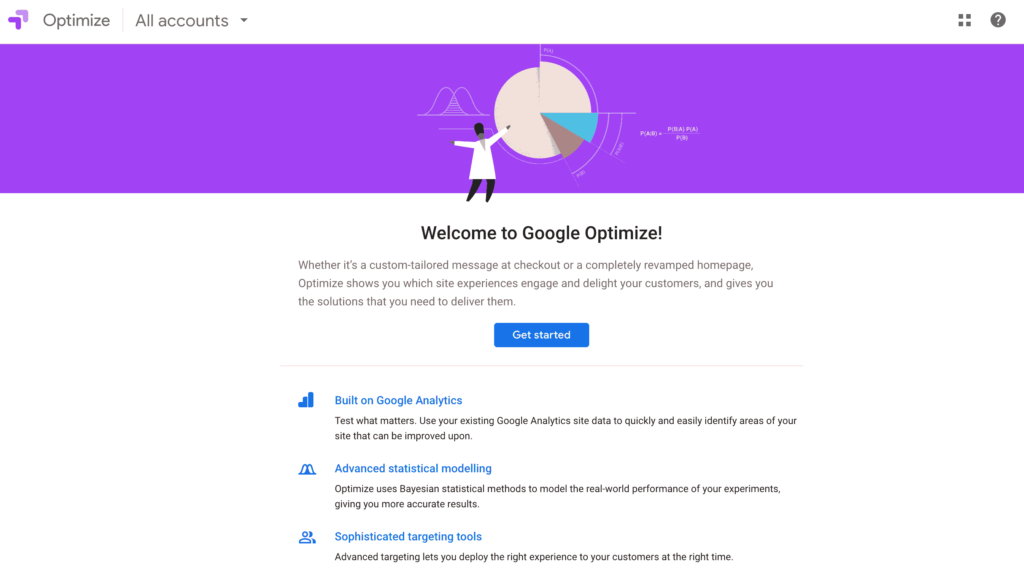
This article will delve into how content personalization can revolutionize app interactions and provide insights into best practices for implementation. From utilizing machine learning algorithms to analyzing demographics, understanding the landscape of content personalization is essential for any app developer aiming to meet—and exceed—user expectations.
As the digital world continues to evolve, the emphasis on personalization is likely to grow. This makes it crucial for developers and businesses alike to stay informed and agile in adapting to changing user needs and preferences.
DIVE DEEPER: Click here for solutions to enhance your assistive device experience
The Mechanics of Content Personalization
Content personalization in apps is not merely a trend; it is becoming a necessity for enhancing user experience in a saturated market. At its foundation, it relies on robust data collection and analysis techniques that allow developers to craft interactions tailored uniquely to the user. By understanding how users engage with an app, developers can modify content dynamics, personalize user journeys, and ultimately drive user satisfaction.
Key Components of Effective Personalization
To create unforgettable personalized experiences, app developers must incorporate several key components:
- User Behavior Analysis: Monitoring how users interact with an app is essential. This includes tracking clicks, time spent on features, and the types of content accessed. By analyzing behavior patterns, developers can uncover specific interests that can inform content delivery.
- Segmentation: Once data is collected, users can be segmented into different categories based on demographic information, preferences, or purchase history. Tailoring content for each segment ensures that the right messages reach the right users at the right time.
- Real-Time Customization: Utilizing advanced algorithms enables apps to adjust their content in real time. This dynamic approach means users continuously engage with the app as it adapts to their current context or mood, enhancing their overall experience.
The effectiveness of these components is underscored by research; a report from Accenture found that 91% of consumers are more likely to shop with brands that recognize, remember, and provide relevant offers and recommendations. This highlights the tangible benefits of implementing content personalization in apps, translating directly to higher engagement, increased sales, and loyal customer bases.
Challenges of Personalization
While the advantages of personalization are enticing, app developers also face a range of challenges. One major issue is ensuring user privacy and data security, especially given the increasing scrutiny around data usage laws like GDPR and CCPA. Users are often apprehensive about sharing personal information, and developers must strike a delicate balance between targeting content and respecting user privacy.
Moreover, as technology evolves, users’ preferences can shift more rapidly than developers can adapt content strategies. Staying ahead of these trends requires continual investment in data analysis tools and machine learning capabilities to ensure that the content remains relevant and engaging.
Despite these challenges, the positive impact of personalization is undeniable. By prioritizing the user experience through tailored content, apps can create a more meaningful digital interaction, ensuring users feel valued and understood. As personalization technologies continue to grow, the future promise of increasingly sophisticated and engaging user experiences is on the horizon, beckoning developers to innovate further.
How Content Personalization Elevates User Engagement
Content personalization is a game changer in the realm of user experience within apps. By tailoring content to individual preferences, apps can significantly enhance user engagement. Studies indicate that users are 3 times more likely to engage with personalized content as compared to generic offerings. This tailored approach not only boosts engagement but also increases user retention rates. With the ability to analyze user behaviors and preferences, developers can create dynamic experiences that resonate with each user uniquely.Another vital aspect of content personalization is its ability to drive conversions. When users are presented with suggestions that match their interests, they are more likely to make purchases or interact with the app’s features. This could encompass anything from recommending new products based on previous purchases to offering content that aligns with the user’s browsing history. Research shows that personalized recommendations can lead to conversion rates exceeding 10%, demonstrating a clear link between personalization and business success.Additionally, users appreciate a sense of control over their experience. By allowing users to customize what they see, apps can foster a feeling of ownership and satisfaction. Providing options such as preferred content types, themes, or interfaces can lead to increased user loyalty and positive app reviews.The integration of machine learning algorithms can further strengthen content personalization. These algorithms can analyze vast amounts of data to predict user needs, adapting the content in real-time. This means that as user behaviors evolve, the app can adjust accordingly, creating a seamless and enjoyable experience. In summary, content personalization is not merely a trend; it’s a necessity for apps aiming to enhance user engagement, drive conversions, and foster a loyal user base. As we explore this topic further, we will uncover specific strategies and tools that effectively implement content personalization in modern applications.
| Category | Detailed Insights |
|---|---|
| User Engagement | 3 times higher interaction with personalized content. |
| Conversion Rates | Personalization can increase conversion rates by over 10%. |
| User Control | Empowering users to customize enhances loyalty. |
| Machine Learning | Algorithms help adapt content in real-time. |
UNCOVER MORE: Click here for expert troubleshooting strategies
Innovative Technologies Driving Personalization
As content personalization takes center stage in the app landscape, innovative technologies have emerged to drive this transformation. From artificial intelligence (AI) to machine learning (ML), these technologies are revolutionizing how developers approach user experience.
Artificial Intelligence and Machine Learning
One of the most influential trends in content personalization is the integration of artificial intelligence (AI) and machine learning (ML). These advanced technologies enable apps to analyze vast amounts of user data quickly and efficiently, predicting user preferences with remarkable accuracy. For instance, streaming services like Netflix and Spotify utilize AI algorithms to recommend content based on past viewing or listening habits, while also considering real-time factors such as trending shows or popular playlists among similar user demographics.
One study revealed that AI-driven personalization can enhance user engagement by up to 40%. This staggering statistic underscores the profound impact AI can have on user experiences, as it crafts personalized content that resonates with individual tastes and preferences.
Predictive Analytics
Predictive analytics is another powerful tool in the realm of content personalization. By utilizing historical data and statistical algorithms, developers can anticipate user needs and behaviors, providing seamless experiences before users even realize they want something. For example, retail apps can analyze browsing patterns and purchase histories to predict what products a user might be interested in, thereby streamlining the shopping experience and potentially increasing conversion rates.
Enhancing User Experience Through Personalization
The benefits of effective content personalization extend beyond mere engagement; they also enhance overall user satisfaction. By ensuring that users encounter relevant content, apps can create a sense of connection and belonging, which is particularly vital in an era where consumers are bombarded with content. A study by McKinsey found that companies that excel in personalization can achieve 5 to 8 times the ROI of their marketing spend.
For example, personal finance apps like Mint or YNAB (You Need A Budget) leverage user data to provide customized budgeting tips and alerts that align with individual financial goals. Users are likely to engage more when they feel that the app understands their specific situations and challenges.
The Role of User Feedback
User feedback is an often-overlooked component of effective personalization. Developers can harness feedback through surveys, in-app reviews, and direct communication to refine personalization strategies continually. Applications that incorporate user suggestions not only enhance their content offerings but also foster a community of engaged users who feel valued and heard.
For instance, social media platforms often adapt algorithms based on user interactions, allowing them to serve content that aligns more closely with users’ interests, such as specific groups, topics, or influencers. This iterative process ensures that content personalization remains relevant and responsive to changing user preferences.
null
Looking ahead, the world of content personalization is poised for even greater advancements. With emerging technologies such as augmented reality (AR) and virtual reality (VR) gaining traction, the potential for creating immersive, personalized experiences is boundless. Apps can transcend traditional boundaries, providing individualized journeys that transform how users experience digital environments.
DISCOVER MORE: Click here for solutions on accessibility settings
Conclusion
In an increasingly competitive digital landscape, content personalization emerges as a game-changer that significantly enhances user experience in apps. By leveraging advanced technologies like artificial intelligence (AI), machine learning (ML), and predictive analytics, developers not only tailor content to user preferences but also anticipate their needs in real-time. This evolution fosters a deeper connection between users and the app, resulting in increased engagement and loyalty.
The transformative power of personalization extends beyond mere user engagement. With customized experiences, users find themselves immersed in content that speaks to their unique interests and challenges, thus enhancing their overall satisfaction. Findings suggest that companies excelling at personalization can achieve remarkable ROI, underscoring its commercial viability.
As we look to the future, the integration of emerging technologies such as augmented reality (AR) and virtual reality (VR) promises to push the boundaries of personalization further, creating immersive environments that adapt to individual user pathways. Furthermore, the continuous incorporation of user feedback will ensure that personalization strategies evolve and remain relevant, catering to shifting preferences and trends.
Ultimately, the journey toward effective content personalization is not merely about algorithms; it’s about understanding the human experience and delivering tailored interactions that resonate. For app developers and businesses, embracing this paradigm is essential to achieving sustained user engagement and long-term success in the ever-evolving digital sphere. As the landscape of content personalization continues to mature, those who prioritize it will undoubtedly thrive.
Related posts:
The Evolution of Voice Navigation and Its Effect on User Experience
The Role of Gamification in Improving User Experience in Apps
Emerging Trends in User Experience: The Future of App Interactions
Impact of Loading Speed on User Satisfaction in Apps
How Psychology Influences User Experience in Mobile Applications
The Importance of Inclusive Design for an Enhanced User Experience

Beatriz Johnson is a seasoned tech writer and digital tools expert with a passion for simplifying the complexities of technology and mobile applications. With over a decade of experience in the tech industry, she specializes in topics like productivity apps, software reviews, and emerging digital trends. Through her work, Beatriz empowers readers to make informed technology choices and stay ahead in the ever-changing world of apps and innovation.