The Role of Diet in Skin Hydration: Foods that Help Maintain Healthy Skin
Understanding the Impact of Diet on Skin Health
Healthy skin is often considered a reflection of overall wellness, and while many chase the hottest skincare trends, they often overlook a fundamental aspect: diet. The food we consume has a profound impact on skin hydration and health. This relationship reveals itself through a variety of mechanisms and nutrients that work synergistically to enhance our skin’s glow and resilience.
Key Nutrients for Skin Hydration
Several nutrients are particularly vital when it comes to maintaining the skin’s moisture and structure:
- Omega-3 Fatty Acids – These essential fats are predominantly found in fatty fish, such as salmon and mackerel, as well as in plant sources like walnuts and flaxseeds. Omega-3s are known for their role in maintaining the skin’s lipid barrier, which helps retain moisture and keep the skin plump and hydrated.
- Antioxidants – Antioxidants are crucial in protecting skin cells from oxidative stress caused by environmental factors like UV radiation and pollution. Foods rich in antioxidants—like blueberries, dark chocolate, and spinach—help combat free radicals, reducing the risk of premature aging.
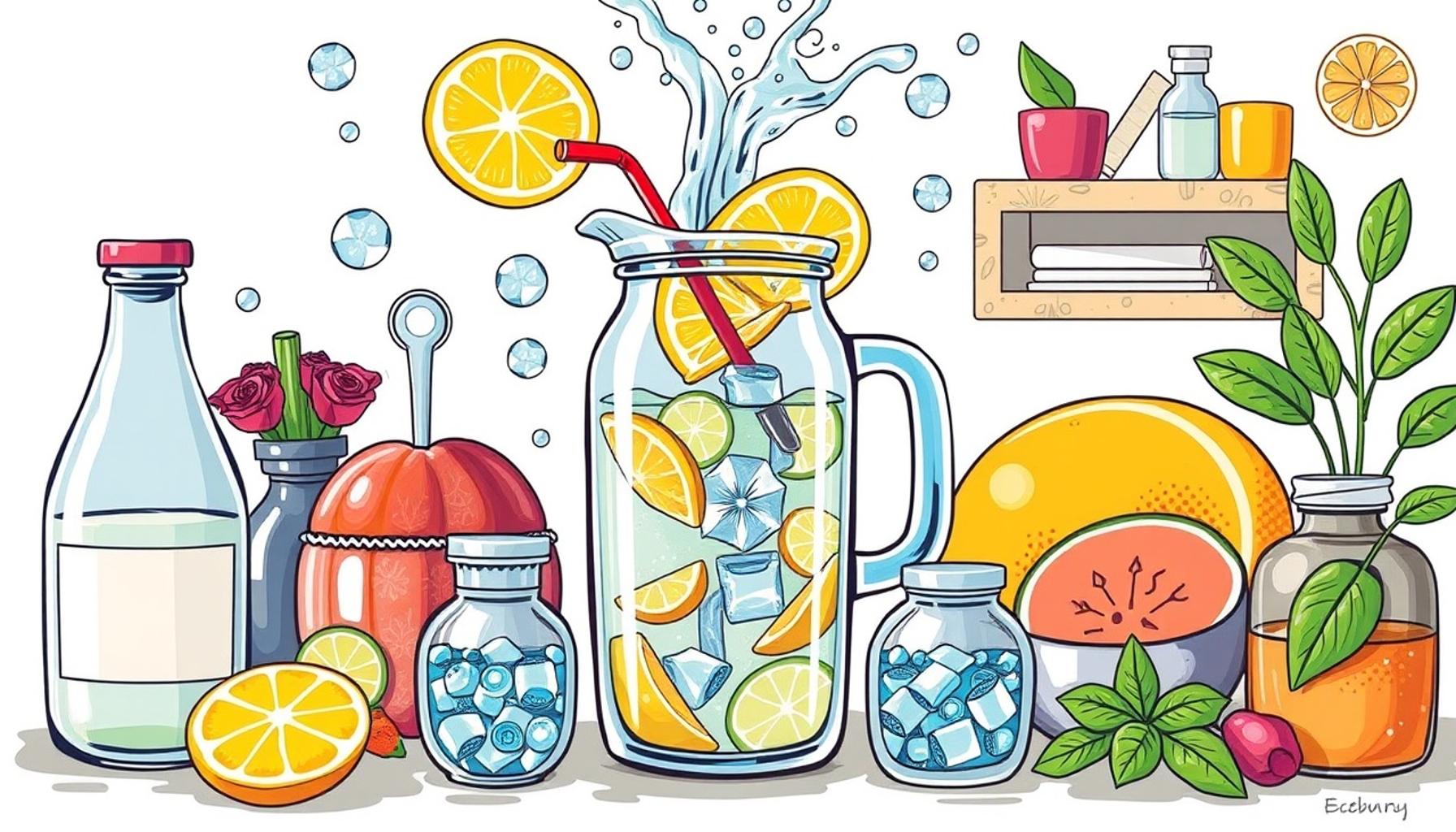
- Water-Rich Foods – Staying hydrated is essential for skin health, and incorporating water-rich foods can significantly help. Cucumbers, oranges, and tomatoes not only provide hydration but also offer vitamins and minerals that support skin functions.
The Connection Between Diet and Skin Health
Exploring the link between diet and skin health reveals some noteworthy insights. Diets high in processed foods—packed with refined sugars and unhealthy fats—can lead to inflammation, exacerbating skin conditions like acne and eczema. In contrast, a diet filled with whole, nutrient-dense foods supports a clearer and more radiant complexion. For instance, a study published in the journal “Nutrients” highlighted the benefits of Mediterranean diets rich in fruits, vegetables, whole grains, and healthy fats, which were associated with improved skin appearance.
Furthermore, certain foods contain compounds that can actively promote skin healing. For example, vitamin C found in citrus fruits is not only crucial for collagen formation, which helps maintain skin elasticity, but it also assists in repairing the skin from sun damage. Likewise, foods rich in zinc, like chickpeas and pumpkin seeds, can help in reducing skin inflammation and boosting overall skin health.
Incorporating Skin-Friendly Foods
The beauty of enhancing your skin from the inside out lies in the wide array of delicious options available. By incorporating specific foods into your meals, such as incorporating a serving of fatty fish into your weekly dinners or snacking on a handful of almonds or berries, you can not only improve your skin’s hydration but also enjoy flavorful dishes. This shift toward nourishing foods leads to newfound wellness and beauty.
Ultimately, understanding the intricacies of how food nourishes your skin opens doors to a healthier lifestyle that embraces both aesthetic and holistic well-being. As more individuals explore this connection, they may discover that the secret to glowing, hydrated skin lies not just in creams and lotions, but at the end of a fork.
DISCOVER MORE: Click here to enhance your skincare routine
Essential Foods for Enhancing Skin Hydration
When we think about achieving radiant skin, it’s easy to gravitate towards elaborate skincare routines filled with serums and creams. However, the foundation often lies in the nutritional choices we make daily. Including specific foods in our diets can make a significant difference in skin hydration and overall health. Here are some key dietary components and foods that can aid in maintaining healthy, hydrated skin:
Hydrating Fruits and Vegetables
Fruits and vegetables are not only low in calories but also rich in water content, vitamins, and minerals that are essential for skin hydration. Incorporating a variety of these foods can provide your skin with the hydration it craves:
- Cucumbers – Comprising about 96% water, cucumbers are one of the best hydrating vegetables you can include in your salad or smoothies.
- Watermelon – With a high water content of around 92%, watermelon is not only refreshing but also filled with vitamins A and C, essential for maintaining skin elasticity.
- Celery – This crunchy snack is approximately 95% water and is a great source of vitamin K, which aids in improving skin texture.
- Oranges – Packed with vitamin C, oranges boost collagen production while their water content keeps skin hydrated and glowing.
- Strawberries – These delicious berries boast high water content along with antioxidants that help fight free radicals.
Impact of Healthy Fats on Skin
The role of healthy fats in skin hydration cannot be overstated. Diets rich in monounsaturated fats help in building the skin’s natural barrier, allowing it to retain moisture. You can find these beneficial fats in:
- Avocados – Not only do avocados provide healthy fats, but they also contain vitamins E and C, which protect the skin from oxidative damage.
- Nuts and Seeds – Nuts such as almonds, walnuts, and seeds like chia and flaxseeds provide essential fatty acids and nutrients that support skin health.
- Olive Oil – A staple in Mediterranean diets, extra virgin olive oil is loaded with antioxidants, healthy fats, and anti-inflammatory properties that can nourish the skin.
Incorporating these hydrating fruits, vegetables, and healthy fats can lead to not only better skin hydration but also enhance the overall appearance and health of your skin. When we consume these nutrient-dense foods, we provide our bodies with the necessary tools to improve skin elasticity, fight inflammation, and maintain a youthful glow.
Understanding how these elements contribute to skin hydration propels us toward making informed dietary choices that benefit our appearance beyond topical products. The right nourishment can indeed pave the way for a vibrant, glowing complexion.
Maintaining optimal skin hydration is crucial for achieving a radiant and youthful appearance. As we delve deeper into the role of diet in skin hydration, it is essential to understand the specific foods that can greatly contribute to skin health. The right nutrients can work wonders by providing moisture, enhancing elasticity, and preventing dryness. Let’s explore some key dietary components that play a significant role in hydrating the skin and promoting overall skin health.
| Food Category | Benefits |
|---|---|
| Fruits and Vegetables | Rich in water content and essential vitamins like A and C, which aid in skin repair and hydration. |
| Healthy Fats | Sources like avocados and nuts help maintain cell structure and lock in moisture. |
| Whole Grains | Provide fiber and nutrients that prevent inflammatory skin conditions, assisting in overall hydration. |
| Fish | Fatty fish, such as salmon, are rich in omega-3 fatty acids, which keep skin <strong supple and reduce dryness. |
Incorporating these foods into your daily diet can lead to significant improvements in skin hydration. The synergy between these nutrients amplifies their effects, leading to a more vibrant complexion. Furthermore, staying hydrated by drinking sufficient water throughout the day is crucial in complementing these dietary choices. Together, they create a robust framework for maintaining healthy, hydrated skin.
DISCOVER MORE: Click here to enhance your skincare routine
Key Nutrients for Skin Hydration
While we’ve discussed hydrating fruits, vegetables, and healthy fats, it’s crucial to spotlight specific nutrients that play an essential role in maintaining skin hydration. These nutrients work synergistically to enhance skin health and resilience, often acting from the inside out. Here, we’ll explore key vitamins and minerals that contribute to skin hydration.
Vitamin A: The Skin’s Ally
Vitamin A is vital for skin cell production and repair. It helps in maintaining the overall integrity of the skin, promoting a moisturized and healthy appearance. This powerful vitamin can be found in:
- Carrots – Rich in beta-carotene, which the body converts into vitamin A, carrots support skin health and can improve skin tone.
- Sweet Potatoes – Another excellent source of beta-carotene, they not only provide hydration but also help in combating skin aging.
- Dark Leafy Greens – Spinach and kale are filled with vitamin A and can significantly boost skin hydration through improved cellular turnover.
Vitamin C: A Hydrating Powerhouse
Vitamin C is known for its role in collagen synthesis, a protein essential for skin elasticity and hydration. Not only does it protect the skin from oxidative stress, but it also enhances moisture retention. Source this nutrient from:
- Bell Peppers – These vibrant vegetables are rich in vitamin C and can be easily added to salads or stir-fries.
- Kiwis – This small fruit packs a big punch with high levels of vitamin C, aiding skin hydration and firmness.
- Broccoli – Not only does it boast vitamin C, but it also contains sulforaphane, which can protect the skin from UV damage.
Zinc: The Unsung Hero
Zinc is essential for maintaining skin integrity and hydration. It aids in healing wounds and has anti-inflammatory properties, making it a critical component for maintaining a healthy complexion. Foods high in zinc include:
- Oysters – Surprisingly, oysters are one of the richest sources of zinc and can significantly boost skin health and hydration.
- Beef and Poultry – Lean meats are not only good sources of protein but also provide your skin with necessary zinc.
- Legumes – Chickpeas, lentils, and beans are excellent plant-based sources of zinc for those following vegetarian or vegan diets.
Recognizing the significance of these nutrients empowers individuals to tailor their diets for optimal skin health. As we increase our intake of vitamin A, C, and zinc-rich foods, we are not only enhancing skin hydration but also reinforcing its natural defenses against environmental stressors and aging. The journey to luminous skin can indeed begin with the simple choices presented at our dining tables.
DISCOVER MORE: Click here to learn how a night routine can transform your skin
Conclusion: Nourishing Your Skin from Within
In the quest for healthy, hydrated skin, it’s clear that what we consume plays a vital role. As we’ve explored, the right foods can significantly influence our skin’s moisture levels and overall appearance. Incorporating hydrating fruits like watermelons and oranges, along with abundant vegetables, nuts, and healthy fats, crafts a powerful approach to skincare that extends beyond topical solutions.
Moreover, the importance of specific nutrients such as vitamin A, C, and zinc cannot be overstated. These essential elements not only promote skin hydration but also enhance its resilience against everyday stressors and the aging process. By making informed dietary choices, we unlock our skin’s potential for improved hydration, clarity, and vitality.
As you reflect on your current diet, consider the profound impact of small adjustments. Integrating a variety of nutrient-rich foods into your meals can create a ripple effect—benefiting not just your skin, but also your overall health. From vibrant salads adorned with bell peppers to hearty, zinc-filled legumes, your plate is a canvas for transformation.
Ultimately, the road to luminous skin lies within our reach, guided by the principle that nourishment leads to beauty. So, next time you’re choosing what to eat, remember that every bite is a step towards a more radiant complexion. Embrace the journey of nurturing your skin from within—after all, it deserves the very best.