
Transforming the Way We Accomplish Tasks
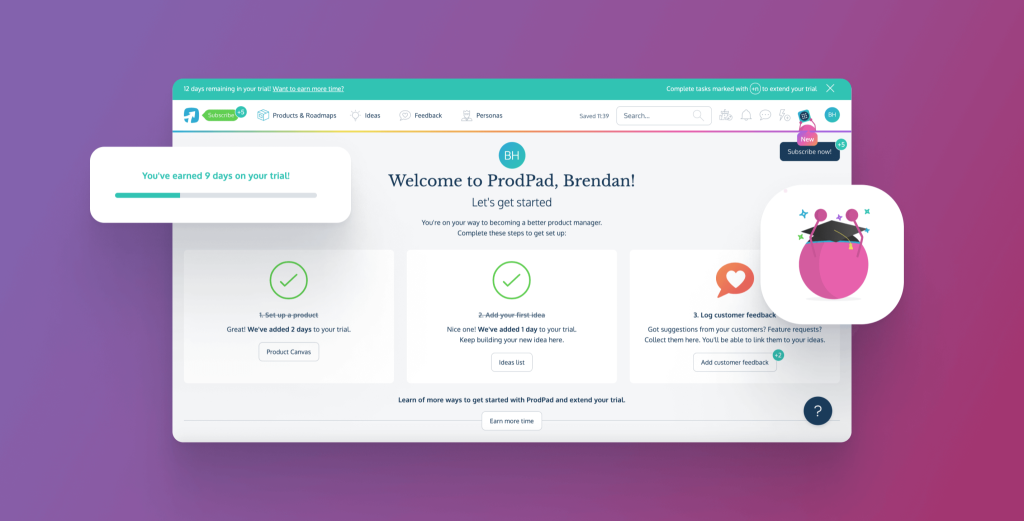
Imagine logging into your to-do list and feeling a rush of excitement instead of dread. Gamification techniques are reshaping productivity apps into engaging platforms, transforming the often mundane act of task management into an exciting and rewarding experience. This innovative approach significantly motivates users, enhancing their overall productivity while promoting a sense of achievement and satisfaction.
Why Gamification Matters
Gamification introduces elements commonly found in games into everyday tasks, effectively turning chores into lively activities. Here are some key features driving this captivating trend:
- Points and Rewards: Users earn points for completing tasks, unlocking tangible or virtual rewards such as badges, discounts, or premium features. For instance, an app may offer a reward system where completing ten tasks earns you a special badge or a free month of premium service.
- Challenges and Quests: Tasks are framed as challenges or quests, making even mundane responsibilities feel like thrilling adventures. Whether it’s a daily hydration goal or a work project, the quest format encourages users to view their tasks through a lens of engagement and achievement.
- Leaderboards: Friendly competition boosts motivation as users can compare their accomplishments with peers. Leaderboards create a community-driven environment where individuals can aspire to climb the ranks, driving a collective push for productivity.
Popular productivity apps like Todoist, Habitica, and Trello have effectively embraced these techniques. Habitica, for example, turns personal goals into an epic RPG, where users level up and gain in-game rewards for completing their real-life tasks. By integrating gamification elements, these platforms cultivate a dynamic user experience that promotes long-term commitment and satisfaction, making what was once a chore a delightful venture.
The Impact on Users
Early studies indicate that users engaged with gamified systems experience higher engagement and completion rates. When tasks become enjoyable, individuals are more likely to tackle them head-on and persist through challenges. This shift not only enhances personal accountability but also promotes a culture of continuous improvement within teams and organizations. For instance, companies implementing gamification in their project management report not only better performance but also increased morale among team members.
In a world increasingly reliant on digital tools for productivity, gamification stands out as an effective method for revitalizing interest in personal and professional tasks. By turning the act of getting things done into a game-like experience, users can find a new level of motivation, inspiring them to approach their goals with renewed energy and enthusiasm.
DISCOVER MORE: Click here to dive deeper
Unlocking Potential Through Engaging Experiences
The concept of gamification is rooted in the fundamental human desire for achievement, recognition, and fun. By embedding game-like elements into productivity applications, developers are not merely enhancing user experience; they are actively transforming the way individuals perceive and engage with everyday tasks. This innovative strategy proves particularly impactful in a society where distractions abound and traditional methods of task management often falter. Gamified productivity apps rise to the occasion, offering an enticing alternative that encourages users to tackle their responsibilities with zest instead of reluctance.
Key Features That Drive Engagement
Several core features of gamified productivity apps have emerged as particularly effective in boosting engagement and fostering a culture of accomplishment. By understanding these elements, users can better appreciate how gamification works to enhance productivity:
- Visual Progress Tracking: Many applications incorporate visual representations of progress, such as completion bars or achievement milestones. These visuals serve as constant reminders of what has been accomplished and what tasks remain, helping users stay focused and motivated.
- Customization Options: Users love the ability to customize their experience, from avatars to themes. This personalization fosters a connection between the user and the app, making it feel less like a formal task management tool and more like a personal challenge.
- Social Interactions: Integrating social features allows users to share their achievements and seek encouragement from friends or coworkers. This community aspect turns productivity into a collaborative endeavor, promoting friendly competition and mutual support.
Notable applications such as Forest and Todoist exemplify the power of gamification in their design. Forest, for instance, motivates users to stay focused by allowing them to grow a virtual tree for every completed task. Should they stray from their objectives, their tree withers away. This unique feature creates a sense of responsibility and urgency, merging productivity with environmental consciousness.
The Science Behind Motivation
The influence of gamification extends beyond mere engagement; it taps into psychological principles that govern motivation. The Self-Determination Theory emphasizes the importance of autonomy, competence, and relatedness. Gamified apps cater to these needs by allowing users to take control of their tasks, demonstrating their abilities through achievements, and connecting with others. This triad of motivational factors contributes to higher rates of persistence in tasks and a reduced likelihood of burnout.
Research shows that employees using gamified systems have reported increased job satisfaction and better performance metrics. For example, a survey conducted by Gartner found that organizations leveraging gamification in their workflows experienced a productivity boost of up to 30%. It’s evident that gamification is not just a fleeting trend; it is a strategic approach to fostering workplace satisfaction and revitalizing interest in mundane tasks.
| Gamification Techniques | Advantages |
|---|---|
| Point Systems | Encourages users to complete tasks for rewards, enhancing motivation and engagement. |
| Challenges and Competitions | Promotes healthy competition among users, leading to increased productivity and goal achievement. |
| Progress Tracking | Allows users to visualize their achievements, which boosts their satisfaction and reinforces positive behavior. |
| Achievements Badges | Provides a sense of accomplishment that can increase user loyalty and long-term engagement. |
Gamification techniques have transformed productivity apps into engaging tools that encourage users to view tasks as fun challenges rather than tedious chores. By implementing point systems, users are awarded points for completing tasks, tapping into the basic human desire for achievement. This method leads to increased motivation and enhanced user interaction with the app.Moreover, challenges and competitions can spur users toward productivity, fostering healthy rivalries that not only motivate users to complete tasks but also enhance overall productivity. With the right approach, apps create a community atmosphere where users support one another, making the process much more enjoyable.Another effective technique is progress tracking. Visualizing their progress can give users a powerful sense of gratification while driving them to meet their objectives. Whether through charts, trends, or dashboards, users find supporting evidence of their hard work, encouraging them to pursue further achievements.Lastly, achievement badges serve as tangible rewards, offering users a gratifying reminder of their success. Users feel appreciated and recognized for their efforts, which significantly increases engagement and commitment to the application over time. Each of these techniques contributes to a more vibrant, engaging experience that turns productivity challenges into rewarding and enjoyable ventures.
DON’T MISS: Click here for essential Wi-Fi security tips
Taking Productivity to New Heights with Game Mechanics
In the evolving landscape of productivity apps, the integration of game mechanics has opened doors to uncharted territories. Beyond visual enhancements and social interactivity, deeper game design elements are reshaping how users interact with their tasks. Features like leveling systems, leaderboards, and rewards play a pivotal role in maintaining user engagement and creating an immersive experience. By understanding these mechanics, users can harness their potential to transform productivity into a captivating journey.
Levels, Rewards, and Achievements
One of the standout features of gamified productivity apps is the leveling system. As users progress and complete tasks, they earn points that accrue towards leveling up. This promotes a sense of accomplishment while subtly encouraging users to embrace even the most mundane chores. As seen in apps like Habitica, where users can role-play their way through everyday tasks while earning experience points, the journey can feel like an epic quest rather than mere obligation.
Accompanying leveling systems are rewards that come in various forms, from unlocking new features to receiving virtual currency for in-app purchases. This dynamic fosters not only motivation but also a healthy habit of rewarding oneself for hard work. Research from the University of Sussex substantiates this claim, indicating that individuals are likelier to repeat actions that yield positive reinforcement, paving the way for sustained productivity.
The Competitive Edge of Leaderboards
For many users, the thrill of competition provides a robust incentive to optimize productivity. Apps like Tasks and Todoist employ leaderboards that rank users based on their productivity scores. This element taps into our natural competitive instincts, motivating users to stay ahead of peers and meet or exceed their personal bests. In a workplace context, this has led to significant increases in performance metrics, as coworkers push each other to achieve more in fun and novel ways.
Creating a Personal Narrative
Moreover, gamification allows users to craft a personal narrative around their tasks. By framing daily responsibilities as quests and battles, users can create a rich tapestry of experiences shaped by their achievements. This narrative element makes it easier for individuals to remain emotionally engaged with their tasks, as they transform from obligatory chores into pivotal parts of their personal saga. Such storytelling techniques are relevant in apps aimed at goal-setting, where users can visualize the steps needed to achieve long-term objectives, ultimately keeping them on track.
Considerations for Implementation
However, it is essential to approach gamification with thoughtfulness to avoid pitfalls such as over-saturation or misalignment of tasks and rewards. Users may become disengaged if the gamified aspects do not resonate with their motivations or if the rewards feel trivial. Developers must remain attuned to user feedback and adapt their strategies accordingly to retain effectiveness. The balance between fun and functionality is key in keeping users devoted and productive.
As various sectors discover the profound impact of gamification on task management, interest continues to surge. The potential for enhanced productivity through game mechanics in applications represents a forward-thinking shift in how we approach our daily responsibilities, proving that play can indeed lead to productivity.
DISCOVER MORE: Click here to learn about enhancing user experience
Revolutionizing Productivity Through Gamification
As we look to the future, it’s clear that gamification techniques are not merely a passing trend but are redefining the very concept of productivity. By transforming monotonous tasks into engaging challenges, productivity apps are successfully bridging the gap between work and play. The integration of features like leveling systems, rewards, and leaderboards not only enhances user engagement but also fosters a sense of community and shared achievement among users. This innovative approach has the potential to significantly increase motivation and improve overall productivity.
Moreover, the storytelling aspect inherent in gamified experiences allows users to visualize their progress and personal growth, making even the most mundane tasks feel like essential milestones in their unique journey. However, as evident in the ongoing evolution of these applications, thoughtful implementation is paramount. Developers must ensure that the gamification elements align with users’ intrinsic motivations and that rewards are perceived as meaningful and valuable.
The confluence of gaming and productivity is paving the way for more adaptable and responsive applications that cater not just to the needs of users but also to their desires for connection and accomplishment. As this trend continues to grow, individuals and organizations alike are bound to benefit from a more engaging and rewarding approach to task management. To explore this burgeoning field further, users are encouraged to dive into various gamified productivity platforms that can transform their everyday routines into exciting quests for success.

Beatriz Johnson is a seasoned tech writer and digital tools expert with a passion for simplifying the complexities of technology and mobile applications. With over a decade of experience in the tech industry, she specializes in topics like productivity apps, software reviews, and emerging digital trends. Through her work, Beatriz empowers readers to make informed technology choices and stay ahead in the ever-changing world of apps and innovation.