
The Challenge of Digital Distractions
In an era where our phones often feel like extensions of ourselves, the incessant flow of notifications can lead to a perilous battle for our attention. While these alerts are designed to keep us informed—from social media updates to urgent emails—they often do more harm than good, disrupting our workflow and diminishing our productivity.
Consider these startling facts that illuminate the extent of the issue:
- According to research, the average person checks their phone over 100 times a day, breaking this down to nearly once every 10 minutes during waking hours.
- Studies show that it can take up to 23 minutes to regain focus after a distraction. This means that a single notification can cascade into a prolonged period of wasted time.
- Nearly 80% of professionals report that they find notifications stressful and counterproductive, illustrating a widespread battle against digital interruptions in the workplace.
With our devices constantly buzzing and beeping, it begs the question: how can we regain control of our focus and preserve our productivity? Understanding the adverse effects of these notifications is the foundational step toward enhancing our work environment.
The Psychological Effects of Interruptions
Interruptions unleash a series of cognitive disruptions, pulling our minds away from tasks and forcing us to recalibrate our focus. Research from the American Psychological Association indicates that even brief interruptions can lead to significant performance loss. The brain struggles to transition back into a state of deep work, leading to increased frustration and decreased overall output.
Practical Ways to Manage Notifications
Effectively managing notifications starts with adopting conscious habits. Here are several practical strategies:
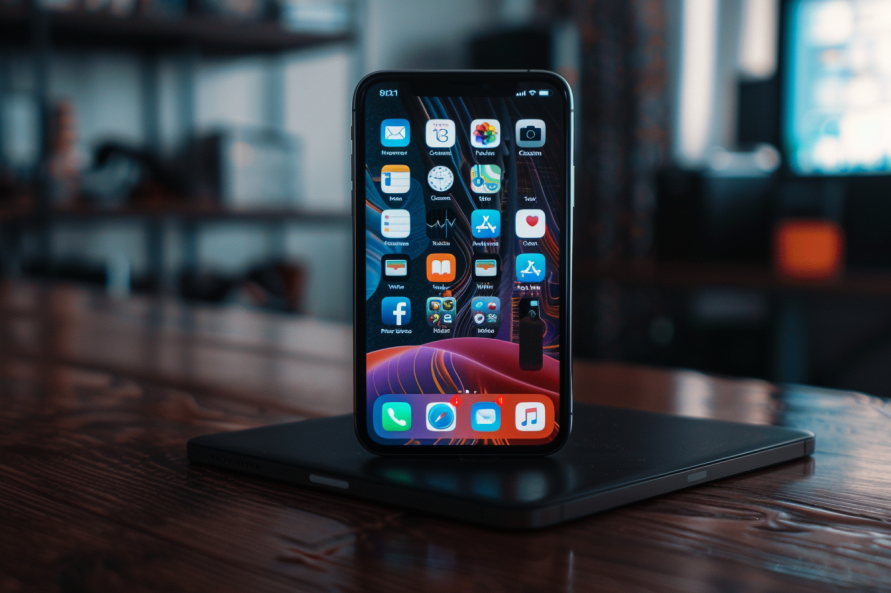
- Utilizing Do Not Disturb Mode: Most smartphones feature a “Do Not Disturb” mode that can silence notifications during specific hours. Activating this mode during work hours allows individuals to concentrate without distractions.
- Turning Off Non-Essential Alerts: Review and customize app notifications. Consider turning off alerts for non-essential applications. For many, social media notifications can wait.
- Batch Processing Notifications: Set specific times during the day to check messages and emails. This prevents constant interruptions and allows for uninterrupted work sequences.
Creating a Focus-Friendly Environment
Beyond managing notifications, the physical workspace plays a crucial role in fostering focus. Consider implementing these strategies:
- Adopting a Minimalistic Setup: A clutter-free desk can significantly enhance concentration. Keep only essential items within reach to minimize distractions.
- Using Productivity Tools: Apps designed to foster focus, like timers or focus music playlists, can create an atmosphere conducive to maintaining concentration during work sessions.
By understanding the impacts of notifications and utilizing these tips, you’ll be empowered to take command of your digital distractions. With a proactive approach, it’s possible to work smarter, not harder, paving the way for increased effectiveness and productivity in both personal and professional realms.
LEARN MORE: Click here to protect your devices from malware
Understanding the Weight of Digital Interruptions
The barrage of notifications we encounter daily is not just a nuisance; it has profound implications for our mental stamina and productivity. When one considers that the average office worker spends about 28% of their work week managing emails alone, the role that notifications play in diluting focus becomes all too clear. With each ping and pop-up, we surrender a piece of our attention, scattering our cognitive resources across myriad tasks instead of fostering sustained concentration.
The nature of notifications often encourages erratic work patterns, making completion of tasks inefficient. A study published by Microsoft found that multitasking, facilitated by frequent notifications, results in a productivity loss equivalent to about 40% of someone’s full capacity. This illustrates not just the distraction aspect but also reveals the long-term cognitive fatigue that can arise from constant interruptions. Individuals exposed to prolonged distractions can experience heightened anxiety, further complicating their work dynamics.
Dissecting the Various Types of Notifications
To gain control over notifications, it’s crucial to recognize their different types and functions. Understanding these categories can help individuals decide which alerts are truly necessary:
- Social Notifications: Alerts from social media platforms aim to encourage engagement but can lead to significant time loss. Constant updates about likes, shares, and messages divert focus from critical tasks.
- Work-Related Notifications: While notifications about assignments and deadlines can be beneficial, they should be prioritized over less important alerts. Filtering these alerts is key to staying on top of responsibilities.
- App Updates: Often seen as essential, many updates can be postponed without significant consequences. Understanding when to engage with these prevents unnecessary distractions.
By categorizing notifications, users can rationally evaluate their necessity, reducing the immediate urge to respond. In an age where the prevalence of digital distractions is alarming, such an analytical approach could elevate productivity levels.
Recognizing the Impact of Notification Overload
In addition to understanding notification types, it’s essential to acknowledge the psychological impact of notification overload. Constantly being bombarded with alerts can lead to a condition known as “notification fatigue,” where individuals begin to feel overwhelmed and may start to ignore important messages altogether. This not only hampers effective communication but also risks individuals missing crucial updates and deadlines.
Research indicates that 52% of workers feel that technology hampers rather than enhances their productivity. Such alarming stats underline the necessity for users to take control of their digital environments. By actively managing notifications, we can reclaim the focus needed for deep, meaningful work, setting the stage for greater accomplishments in both personal and professional realms.
The Impact of Notifications on Your Productivity
In today’s fast-paced digital world, notifications can feel like a double-edged sword. While they keep us informed and connected, they can also lead to significant productivity losses. Studies have shown that the average person receives over 100 notifications each day from various applications, ranging from social media alerts to task reminders. This constant interruption can fragment attention, making it challenging to maintain focus on tasks at hand.To combat the overwhelming tide of notifications, one effective strategy is to prioritize and customize your notification settings. By limiting alerts to those that are absolutely essential, you can create a more productive environment. For instance, turning off notifications for non-essential social media can help you redirect your attention to more important work-related tasks. This simple adjustment can lead to enhanced concentration and greater overall productivity.Furthermore, establishing designated times to check notifications can significantly improve your focus. Instead of allowing apps to dictate your schedule, try setting specific intervals throughout the day to review messages and updates. This approach not only minimizes distractions but also creates a clear boundary between work time and personal time. As a result, your mental clarity improves, allowing for deeper engagement with your projects.Incorporating tools and apps designed to manage notifications effectively can also aid in enhancing productivity. For example, applications such as “Focus@Will” or “Freedom” allow users to block distracting websites and create a more conducive working environment. These tools empower individuals to take control of their digital landscapes, thereby fostering improved focus and efficiency.Understanding the psychology behind notification fatigue can further assist in mitigating its effects. When you recognize how frequent interruptions can impair cognitive functions, you may become more intentional about which notifications you permit. Exploring features such as “Do Not Disturb” or “Focus Mode” available on most smartphones can provide the respite needed to work without interruption.
Strategic Notification Control
Establishing a strategic approach towards managing notifications not only enhances productivity but also contributes to mental well-being. By engaging in more intentional use of technology, individuals can reclaim their time and focus, ultimately leading to a more balanced and fulfilling work-life paradigm. This active control over applications is critical in today’s environment where the line between personal and professional continues to blur. The journey to harnessing the power of notifications begins with awareness and deliberate action—two key elements that can transform distractions into focused productivity. As you explore methods to manage notifications, consider this an important step towards enhancing not just your productivity but your overall efficiency and satisfaction at work.
DISCOVER MORE: Click here to learn about the significance of inclusive design
The Role of Notification Management in Enhancing Focus
Given the pressing reality of notification overload, implementing effective management strategies can significantly improve productivity. Interestingly, studies have shown that individuals who actively manage their notifications experience a 25% increase in overall productivity. Effective management isn’t just about turning off alerts; it involves being strategic about when and how to engage with technology. Here are several practical steps that can help users regain control over their digital unwinding.
Defining Notification Guidelines
One of the most effective strategies for managing notifications is to establish clear guidelines tailored to individual work habits. Consider implementing the “two-hour rule,” where notifications are checked only every two hours. This approach fosters productivity by minimizing disruptions and allowing for extended focused periods. Moreover, creating “do not disturb” times during the day can effectively segment tasks and help prioritize completing high-concentration projects.
Research indicates that dedicated work hours without interruptions can increase productivity levels by up to 40%. During these times, silencing unnecessary notifications and turning off social media alerts can keep distractions at bay while fostering a workflow that feels less chaotic. Users who practice mindfulness in their engagements with technology often discover their cognitive load significantly reduces, enhancing their ability to focus deeply on tasks.
Utilizing Advanced Tools and Features
Modern smartphones and computer systems often come equipped with various features designed to help users manage notifications. Leveraging technologies like focus modes and scheduled alerts can further align notifications with peak productivity hours. For example, many smartphones offer an option to silence all non-essential notifications during specific timeframes. This not only fosters concentration but also allows individuals to concentrate on the tasks that matter most.
Additionally, some applications provide comprehensive notifications settings that empower users to fine-tune alert preferences on an app-by-app basis. Users often overlook this feature, but customizing which notifications are sent out, and at what time, can drastically reduce the sensation of being overwhelmed. By prioritizing alerts based on urgency and importance, one can filter out unnecessary distractions, ensuring only the most critical notifications come through.
Incorporating Breaks and Mindfulness Practices
To offset the negative effects of notifications, it is equally important to incorporate regular breaks and mindfulness into daily routines. Employing techniques such as the Pomodoro Technique, which encourages bursts of work followed by short breaks, not only helps maintain focus but also allows for the mind to recover from cognitive fatigue. Research indicates that taking breaks can enhance the brain’s processing capabilities, enabling better retention and understanding of information.
Moreover, practicing mindfulness during these breaks can be transformational. Mindfulness techniques, such as deep breathing or meditation, can reset the mind from the chaos of notifications and create a calm atmosphere conducive to productivity. According to a study by the American Psychological Association, participants who practiced mindfulness reported feeling less distracted and more focused on tasks.
Without a doubt, by implementing these strategies to manage notifications, individuals can cultivate a work environment ripe for enhanced creativity and efficiency. Whether by enforcing strict notification policies or embracing technological tools and mindfulness, the goal remains the same: to reduce distractions and reclaim precious mental energy necessary for deep work. Harnessing the potential of controlled notifications paves the way for a more productive, focused, and fulfilling work experience.
DISCOVER MORE: Click here to learn about the importance of inclusive design
Conclusion: Reclaiming Your Focus in a Notification-Driven World
The relationship between notifications and productivity cannot be understated. As we navigate an increasingly digital landscape, managing our notifications becomes essential for maintaining focus and enhancing efficiency. The evidence is clear: individuals who actively take steps to control app notifications experience a remarkable boost in productivity, with studies indicating increases of up to 40% during focused work sessions.
By implementing strategies such as establishing personalized notification guidelines, utilizing advanced features within technology, and incorporating mindfulness into daily routines, users can create an environment conducive to concentration and creativity. These methods not only help in minimizing distractions but also empower individuals to allocate their time and mental energy more effectively — something profoundly valuable in today’s fast-paced work culture.
To further explore this topic is to unlock a deeper understanding of how small adjustments to our technology usage can significantly impact our work output and mental clarity. Given the sheer volume of alerts bombarding us daily, those willing to take charge can transform their productivity landscape. As you consider these techniques, ask yourself: how might a more intentional approach to notifications enhance your work performance? The answers may very well lead you to a path of greater accomplishment and satisfaction in your professional life.
Related posts:
How to Use Site Blocking Apps to Avoid Distractions and Increase Productivity
How Time Management Apps Can Transform Your Daily Routine
Time Analysis Apps: Monitoring Your Time Usage to Improve Efficiency
Gamification Techniques in Productivity Apps: Turning Tasks into Fun Challenges
The Power of Browser Extensions to Boost Productivity in Online Tasks
The Importance of Personalization in Productivity Apps: How to Adapt Tools to Your Work Style

Beatriz Johnson is a seasoned tech writer and digital tools expert with a passion for simplifying the complexities of technology and mobile applications. With over a decade of experience in the tech industry, she specializes in topics like productivity apps, software reviews, and emerging digital trends. Through her work, Beatriz empowers readers to make informed technology choices and stay ahead in the ever-changing world of apps and innovation.