
Why Password Security Matters
In an age where digital interactions permeate every facet of life, the importance of safeguarding online accounts cannot be overstated. Cybercriminals are increasingly sophisticated, using methods that exploit our trust and familiarity with technology. The average individual today has over 90 online accounts, spanning social media, banking, e-commerce, and more. With such a multitude of accounts, the risk of a data breach multiplies exponentially, highlighting the need for diligent password protocols.
According to a report by the Identity Theft Resource Center, there were over 1,100 data breaches in the U.S. alone last year, affecting millions of Americans. Each incident reiterates the reality: a single weak password can cost an individual not just money, but also their identity. In fact, accessing banking accounts with a compromised password can lead to unauthorized transactions totaling thousands of dollars. These statistics serve as a sobering reminder of the digital vulnerabilities we face daily.
Guidelines for Creating Strong Passwords
To maintain robust security, developing strong passwords is crucial. Here are some detailed strategies to implement:
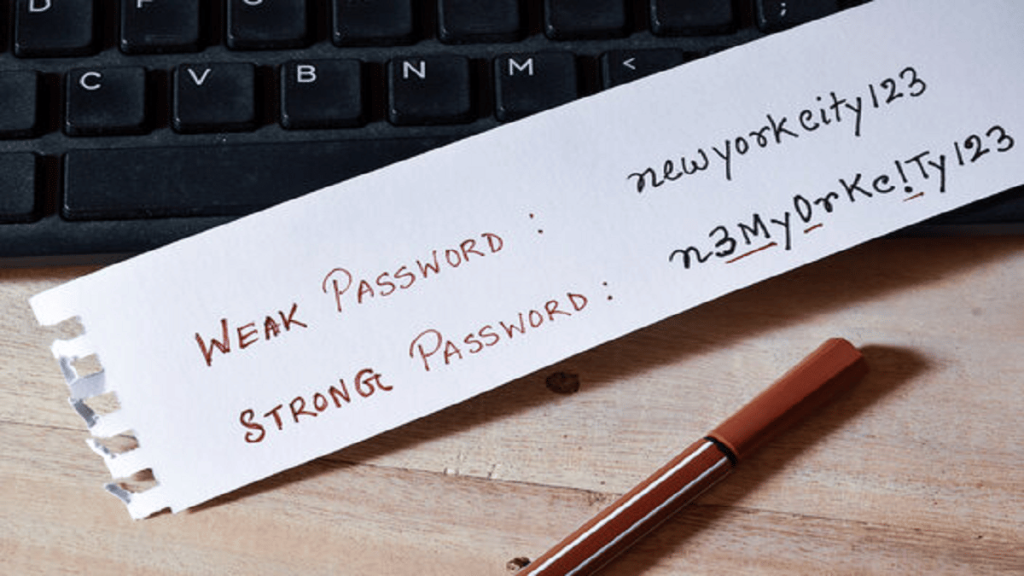
- Employ Complexity: Create passwords that use a strong mix of uppercase letters, lowercase letters, numbers, and special characters. For instance, a password like “J3llY_B3@n$!” is significantly more secure than “password123.”
- Avoid Predictability: Steer clear of easily guessed information such as names of family members, pets, or significant dates. Using “October123” or “JohnDoe” makes it easier for attackers to breach your accounts with methods like brute force attacks or social engineering tactics.
- Utilize Password Managers: Consider using a password manager to generate and store complex passwords securely. Tools such as LastPass or Dashlane can create unique passwords for each account, reducing the burden of remembering them all while enhancing security significantly.
Impact of Password Practices on Digital Safety
Adopting these best practices can profoundly mitigate the risk of cyber threats. A report from the Ponemon Institute revealed that organizations that enforce strict password policies encounter 30% fewer breaches. For individuals, taking the time to establish robust password habits—like changing passwords regularly and enabling two-factor authentication—adds an additional layer of security.
Moreover, as users become more educated about password safety, we can expect a collective increase in online security. Products and services are rapidly evolving to offer stronger protections, but individual awareness and proactive management are still key. By embracing these practices, not only do we safeguard our own personal and financial data, but we also contribute to a more secure digital environment for everyone.
Conclusion
The digital realm can be a goldmine for those with malicious intent, but we can fortify ourselves against these threats through informed password management practices. As a cornerstone of online safety, focusing on password security is not just a best practice; it’s a necessity for anyone who values their privacy and security in today’s interconnected world.
DISCOVER: Click here to learn how user feedback can enhance your app’s features
Essential Strategies for Password Creation
Creating strong passwords is the first line of defense in your digital security arsenal. As technology continues to evolve, password strategies must keep pace. Here are critical methods for devising passwords that can protect your accounts effectively:
- Length Over Complexity: While complexity is important, the length of your password often plays a more crucial role in its security. Aim for passwords that are at least 12 to 16 characters long, as longer passwords exponentially increase the chances of resisting brute force attacks. A passphrase, which is a combination of random words or a memorable phrase, can be easy to remember yet hard to crack; for example, “BlueSky$Jumping@2023.”
- Use Unique Passwords: Reusing passwords across multiple accounts is a gateway to cyber theft. In the event one account is compromised, all others sharing the same password become vulnerable. To prevent this, generate a unique password for each service or application. Utilize different variations to ensure no two passwords are alike, as this minimizes the risk of mass account breaches.
- Incorporate Multi-Factor Authentication (MFA): One of the most effective ways to bolster security is through two-factor authentication. MFA requires a second piece of evidence beyond just your password to access accounts. This could involve a text message code, biometric verification like fingerprints, or a secure authentication app. By implementing MFA, even if a password is compromised, an additional layer of security hinders unauthorized access.
Staying Ahead of Password Theft
The landscape of cyber threats is always evolving, and attackers are becoming increasingly adept at password cracking. Statistics reveal that 80% of data breaches involve stolen or weak passwords. Understanding this, adopting advanced password strategies becomes imperative to outrun these tactics. Regularly updating passwords, especially in light of data breaches within companies you use, keeps your accounts less predictable and more secure.
Moreover, be vigilant about phishing attempts, a common technique employed by attackers to gain access to sensitive information. These scams may come in the form of emails or messages urging you to log in to an account that looks legitimate. Always verify the URL and sender before submitting any credentials. Cybersecurity education is invaluable; when combined with strong password practices, it fortifies your digital presence significantly.
Ultimately, password management isn’t just a personal responsibility; it forms part of a broader community strategy. Everyone plays a role in creating safer environments online. By familiarizing yourself with these best practices, you’re not only protecting your own data but also contributing to the security of others navigating the complex web of the internet.
Best Password Practices
When it comes to online security, the foundation lies in creating and managing strong passwords. Here are some essential best practices to ensure your applications remain secure from potential breaches.Firstly, use a unique password for every application. This limits the risk of a domino effect where a breach in one service can compromise multiple accounts. Consider using a password manager to track and generate complex passwords. These tools help alleviate the burden of remembering each password while ensuring they are randomized and challenging for others to guess.Additionally, ensure that your passwords are at least 12-16 characters long and include a mix of uppercase letters, lowercase letters, numbers, and special characters. This combination significantly increases password strength and reduces vulnerability.Another critical step is enabling two-factor authentication (2FA) wherever possible. This adds an additional layer of security, requiring a second form of verification beyond just your password, thus making it substantially harder for unauthorized users to gain access.Lastly, regularly update your passwords, especially if you suspect any service has been compromised. Setting reminders to change passwords at regular intervals can fortify defenses and keep your accounts secure.Implementing these best practices not only enhances security measures but also promotes a proactive approach towards managing your digital life. The more diligent you are in your password practices, the safer your applications and sensitive information will be.
| Category | Details |
|---|---|
| Password Uniqueness | Using different passwords for each account minimizes risk. |
| Password Managers | Tools assist in generating and storing complex passwords securely. |
| Two-Factor Authentication | Adds an extra layer of security, requiring additional verification. |
| Regular Updates | Changing passwords frequently helps mitigate security breaches. |
DISCOVER MORE: Click here to enhance your efficiency
The Role of Password Managers
As the complexity of digital life increases, managing a multitude of strong passwords becomes a formidable task. This is where password managers emerge as essential tools. These applications are designed to securely store and organize passwords, allowing users to generate, retrieve, and manage unique passwords for every account without the need to memorize each one. Cloud-based password managers offer convenience, syncing your passwords across various devices, while offline managers promise even more security by keeping sensitive information local.
According to a study by Google, using a password manager can decrease the chances of password reuse by an impressive 50%. Consider reputable managers like LastPass, 1Password, or Bitwarden, which implement robust encryption and offer features such as auto-filling logins and generating strong passwords. These tools simplify the process of entering complex passwords, enabling users to focus on creating secure configurations instead of memorizing them.
Understanding Password Security Culture
Password strength isn’t just about individual habits; it’s part of a larger security culture within organizations and communities. Companies are increasingly educating employees about password hygiene, emphasizing the importance of strong passwords and the necessity of keeping them secure. 71% of data breaches are caused by weak or stolen passwords, leading businesses to implement strict password policies.
This means creating guidelines that encourage frequent password changes, minimum length requirements, and the avoidance of easily guessable information like personal birthdays or common words. By fostering a culture of security awareness, organizations play a critical role in minimizing risks. Employee training sessions on identifying phishing attempts and the significance of MFA can create a vigilant workforce, ultimately leading to a safer digital ecosystem.
Staying Vigilant with Regular Audits
Beyond creating and managing passwords, regular reviews of your password strategy can significantly enhance security. Conducting password audits enables individuals and organizations to assess the strength and relevance of their passwords. These audits help identify weak or reused passwords and can lead to immediate action to reinforce security measures. Tools such as Have I Been Pwned allow users to check if their emails or passwords have been involved in any data breaches, which is crucial in recognizing exposed credentials.
Moreover, implementing a schedule for routine updates can keep your credentials fresh. Consider setting reminders to revise your passwords every few months, especially for critical accounts that manage sensitive information, such as online banking or personal health records. By integrating these practices into your routine, you cultivate a heightened awareness of the need for strong security.
Leveraging Biometric Options
Finally, in a world that is progressing towards biometric technology, consider incorporating biometric verification in conjunction with strong passwords. Many modern devices and applications now support fingerprint scanning, facial recognition, or iris scanning, which not only adds convenience but also provides an edge in security. Utilizing these methods alongside robust passwords yields an additional layer of security, making unauthorized access significantly more difficult.
The advent of such technologies is transforming password security into a multi-faceted approach. As identity verification continues to progress, users and organizations alike must stay informed and adopt these methods to safeguard their digital environments.
DON’T MISS OUT: Click here for helpful troubleshooting tips
Conclusion: Elevating Your Password Practices
In today’s increasingly digital landscape, the importance of effective password management cannot be overstated. The combination of strong password creation, regular audits, and the utilization of password managers is essential in safeguarding sensitive information against data breaches. As highlighted, adopting a security culture that emphasizes the value of unique, complex passwords is vital not just for individuals, but also for organizations looking to protect their data integrity. The alarming statistic that 71% of data breaches arise from weak or stolen passwords serves as a wake-up call for everyone immersed in the online world.
Incorporating tools like password managers facilitates the difficult task of generating and managing unique passwords for each account, dramatically reducing the risk of password reuse. Moreover, the coupling of such tools with biometric verification technologies creates a multi-layered security approach that makes unauthorized access increasingly difficult, acting as an additional barrier against cyber threats.
Ultimately, the digital age necessitates constant vigilance. By committing to periodic password audits and remaining informed about the latest security practices, both individuals and organizations can significantly enhance their defenses against potential intrusions. As we continue to navigate the complexities of online security, remember: robust password practices are not merely a suggestion—they are a prerequisite for a safe and secure digital experience. Stay proactive, stay secure, and empower yourself with knowledge to face the evolving landscape of cyber threats.
Related posts:
The Importance of Two-Factor Authentication in Popular Applications
How to Avoid Phishing in Instant Messaging Apps
Best Password Practices: How to Create and Manage Strong Passwords
Wi-Fi Network Security: Tips to Protect Your Connected Devices
Security in Mobile Applications: Tips to Protect Your Personal Data
Privacy in Social Media Apps: How to Protect Your Personal Information

Beatriz Johnson is a seasoned tech writer and digital tools expert with a passion for simplifying the complexities of technology and mobile applications. With over a decade of experience in the tech industry, she specializes in topics like productivity apps, software reviews, and emerging digital trends. Through her work, Beatriz empowers readers to make informed technology choices and stay ahead in the ever-changing world of apps and innovation.