
The Importance of Securing Your Online Accounts
In an increasingly digital world, securing your online accounts has never been more crucial. With data breaches and hacking incidents on the rise, many individuals and organizations are turning to two-factor authentication (2FA) as a vital tool for safeguarding personal information. The National Cyber Security Alliance reported that 30% of Americans experienced some form of cybercrime last year, highlighting the urgent need for enhanced security protocols.
Understanding Two-Factor Authentication
But what exactly does two-factor authentication involve? It’s a method that strengthens access security by requiring two forms of verification from users. This ensures that even if one factor is compromised, unauthorized access remains exceedingly difficult. Here are the common types of factors used in 2FA:
- Something you know: This includes passwords or PINs. For instance, your email password is a common example of a knowledge factor.
- Something you have: Such as a smartphone app or hardware token. Many popular apps like Google Authenticator or Authy generate time-sensitive codes that enhance your protection.
- Something you are: This refers to biometric methods like fingerprints or facial recognition, utilized by devices such as the latest smartphones and laptops.
The Benefits of Implementing 2FA
Implementing 2FA can significantly reduce the risk of unauthorized access to your accounts. According to research, using two-factor authentication can block up to 99.9% of automated cyber attacks. Yet, many users remain unaware of its advantages or may find the setup process daunting. A survey conducted by LastPass revealed that a significant percentage of respondents hesitated to enable 2FA due to misconceptions about its complexity.
How to Enable Two-Factor Authentication
This article will guide you through:
- How to enable two-factor authentication for popular platforms like Google, Facebook, and banking websites, which often provide straightforward pathways for activation.
- Best practices to enhance your account security, such as using unique passwords for different accounts and regularly updating them.
- Common pitfalls and how to avoid them, including falling prey to phishing attempts that could compromise your authentication methods.
Taking Action for Enhanced Security
By following these solutions, you can protect your digital footprint more effectively. Implementing two-factor authentication is a crucial step in the ongoing battle against cyber threats. Knowledge is power, and as you familiarize yourself with the features offered by various platforms, you will gain the upper hand in ensuring your online safety. Keep reading to discover how easy it is to fortify your online security with two-factor authentication.
DIVE DEEPER: Click here for best practices
A Closer Look at Two-Factor Authentication
Two-factor authentication (2FA) is designed to significantly enhance your online security by adding an additional layer of verification beyond just passwords. In today’s cyber landscape, where passwords alone can be compromised through various means—such as phishing attacks, keyloggers, or data breaches—2FA acts as a critical line of defense. By requiring a second piece of information, 2FA makes it much more challenging for unauthorized individuals to gain access to your accounts.
The Mechanics of Two-Factor Authentication
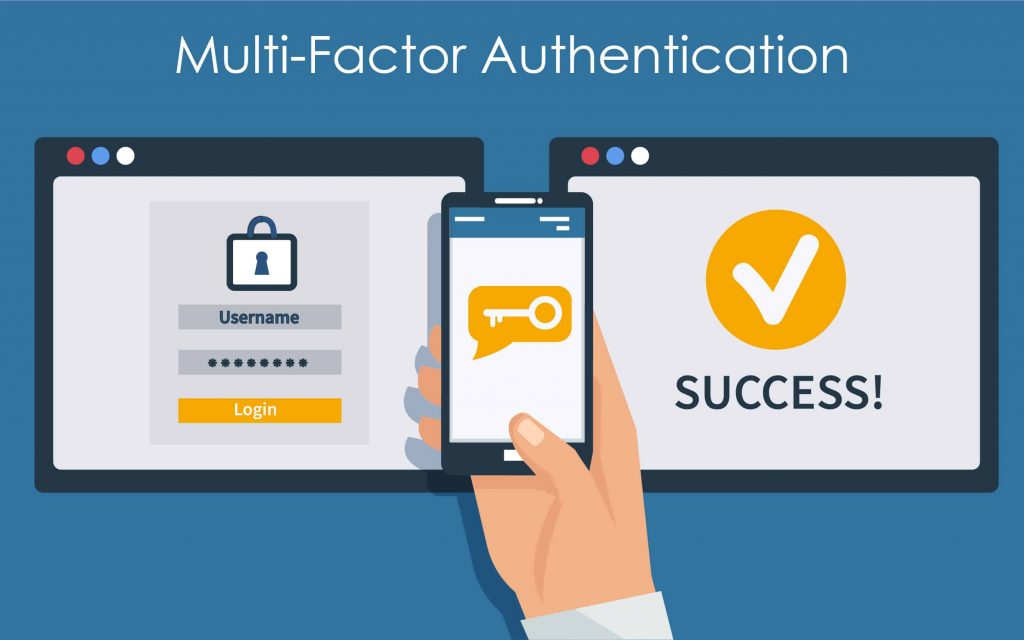
To delve deeper into how two-factor authentication works, let’s examine its workflow. When you enable 2FA on an account, here’s what typically happens:
- Initial Login: You start by entering your username and password, the first factor of authentication. If your credentials are correct, you move onto the next step.
- Second Factor Prompt: The system then prompts you for the second form of verification. This could be a code sent via SMS, an email, or generated through an authenticator app.
- Completion of Access: Upon entering the correct code, you are granted access to your account. If the code is incorrect, access is denied, reducing the risk of unauthorized entry.
Many platforms now offer this safeguarding feature, and the process can often be set up in just a few minutes. Yet, only about 25% of online accounts globally utilize 2FA, demonstrating a critical gap in security practices. For consumers in the United States, implementing 2FA on accounts like social media, email providers, and financial institutions should be an immediate priority.
Diverse Options for Two-Factor Authentication
When considering two-factor authentication, it’s essential to recognize that there are various methods available, each with its benefits and drawbacks:
- SMS-based authentication: This method sends a text message with a verification code. While it’s easy to use, it’s also vulnerable to SIM swapping attacks.
- Email verification: Similar to SMS, but sent via email. This method is also accessible, though users should ensure their email accounts are secured.
- Authenticator apps: Applications like Google Authenticator or Authy generate time-sensitive codes without relying on your phone’s carrier. This method is more secure but requires an extra step during login.
- Biometric authentication: Using fingerprint or facial recognition technology, this method provides a high level of security, though it may not be available on all devices.
Choosing the right method depends on your personal comfort level and the sensitivity of the information being protected. One thing is clear: regardless of the method chosen, enabling two-factor authentication is a proactive step toward improving the security of your digital accounts.
Transforming Digital Security Perceptions
Despite the clear benefits of 2FA, many users still exhibit reluctance due to misconceptions about complexity or inconvenience. Educating yourself about each step in the setup and implementation process can dismantle these barriers and empower you to take control of your online security. As you move forward, remember that adopting two-factor authentication is more than just a technological upgrade; it’s a commitment to safeguarding your personal and professional information against pervasive cyber threats.
Advantages of Two-Factor Authentication
As the digital landscape evolves, the importance of online security cannot be overstated. One method that stands out in enhancing account security is Two-Factor Authentication (2FA). This layered approach requires not just a password and username but also something that only the user has on them. Below is a table summarizing the key advantages of implementing 2FA:
| Category | Key Features |
|---|---|
| Increased Security | 2FA adds an extra layer of protection, making it significantly harder for unauthorized users to gain access. |
| User Awareness | It prompts users to regularly reflect on their security practices, increasing the overall security hygiene. |
| Fraud Prevention | By requiring a second form of verification, 2FA helps reduce identity theft and fraud. |
| Ease of Use | Modern 2FA methods like biometric authentication make the process user-friendly while maintaining robust security. |
Implementing Two-Factor Authentication not only protects your sensitive information but also instills a sense of security in your online activities. As we move towards a more connected world, understanding and utilizing these tools is essential for ensuring password security and protecting personal data.
DISCOVER MORE: Click here to learn about the impact of software optimization on user experience
Enhancing Security with Advanced Two-Factor Authentication Techniques
As cyber threats evolve, so too must our methods of defense. While traditional two-factor authentication significantly bolsters security, integrating advanced techniques can elevate protection to new heights. To truly enhance the security of your accounts, consider implementing the following methods alongside standard 2FA approaches.
Using Security Keys
One of the most effective enhancements to two-factor authentication is the use of security keys. These physical devices, such as YubiKey or Google Titan, work by connecting to your device via USB or NFC. Security keys comply with the FIDO (Fast Identity Online) standard and offer stronger authentication, as they cannot be easily intercepted or phished. When you log in, simply insert the key or tap it against your device, and your identity is verified without the need for a code. For users concerned about losing their security keys, many options allow for multiple keys to be registered, ensuring backup access.
Adaptive Authentication
Adaptive authentication is another innovative method, which assesses the context of a login attempt before requiring a second factor. It evaluates aspects such as device recognition, geographical location, and historical usage patterns. For instance, if you log in from a trusted device in a familiar location, the system may allow access without a second factor. Conversely, if you’re logging in from a new device or an unusual location, it prompts for additional verification. This dynamic approach minimizes inconvenience while boosting security, as it decreases the likelihood of unnecessary authentication requests.
Multi-Factor Authentication (MFA)
While two-factor authentication requires two forms of verification, multi-factor authentication expands this concept further. MFA may require users to provide two or more different types of factors before accessing their accounts. For example, after entering a password, users might also be required to confirm a biometric scan and enter a code from an authenticator app. This additional layer significantly reduces the risk of unauthorized access, as attackers would need to compromise multiple forms of authentication to gain access. Users should evaluate the level of risk associated with their accounts and consider using MFA for especially sensitive information.
Regularly Update and Monitor Authentication Methods
Implementing 2FA or even more advanced methods is just the first step; regular monitoring and updates are essential for sustained security. Staying aware of any unauthorized attempts to access your accounts is paramount. Many platforms provide security logs that allow you to monitor login attempts and alert you to suspicious activity. Furthermore, adjusting your authentication methods based on new threats or changes in usage patterns is vital. For instance, consider switching methods if you notice a surge in phishing attacks targeting SMS-based codes. Always remain vigilant and proactive in updating your security measures.
Educating Yourself and Others
As you enhance the security of your accounts through two-factor authentication and its variations, it’s also important to promote awareness among friends, family, and colleagues. Many individuals remain unaware of the risks posed by inadequate security practices and the potential benefits of implementing 2FA. Sharing your knowledge and encouraging others to adopt these methods can reinforce a community standard for enhanced cybersecurity. Workshops or online resources can serve as valuable tools for educating others about best practices in account security.
By embracing advanced techniques and fostering a culture of awareness, you not only strengthen your security posture but also contribute to a safer online environment for everyone. With technology and cyber threats continuing to evolve, ensuring that your accounts are fortified with the latest and most secure authentication methods is key in safeguarding your digital identity.
DISCOVER MORE: Click here to enhance your productivity
Conclusion
In a digital landscape rife with threats, enhancing account protection through two-factor authentication (2FA) is no longer an optional security measure but a necessity. As outlined in this article, the implementation of 2FA dramatically reduces the risk of unauthorized access by layering security. However, simply adopting basic 2FA strategies is just the beginning. By leveraging advanced techniques such as security keys, adaptive authentication, and multi-factor authentication (MFA), individuals can equip themselves with sophisticated defenses against increasingly complex cyber threats.
Moreover, vigilance in monitoring and updating authentication methods is crucial. Regularly reviewing security logs and adjusting to new vulnerabilities can further strengthen your defenses. It’s essential to remain proactive, as the cybersecurity landscape is constantly evolving, and what may have worked yesterday might not suffice tomorrow. Educating oneself and others about the importance of robust security practices fosters a community-oriented approach to online safety, encouraging collective vigilance against cyber dangers.
As you invest time into fortifying your accounts, remember that your actions can have a ripple effect—encouraging friends, family, and colleagues to adopt enhanced authentication methods can lead to a more secure online environment for everyone. In a world where data breaches and identity theft are rampant, taking steps to enhance your security through 2FA and its advanced variations is a powerful way to protect not just your accounts but your digital life. Stay curious, stay vigilant, and continue to explore new methods to keep your online presence secure.
Related posts:
Best Password Practices: How to Create and Manage Strong Passwords
Security in Mobile Applications: Tips to Protect Your Personal Data
Wi-Fi Network Security: Tips to Protect Your Connected Devices
How to Protect Your Mobile Devices Against Security Threats
How to Identify and Avoid Malicious Apps on Your Device
The Importance of Two-Factor Authentication in Popular Applications

Beatriz Johnson is a seasoned tech writer and digital tools expert with a passion for simplifying the complexities of technology and mobile applications. With over a decade of experience in the tech industry, she specializes in topics like productivity apps, software reviews, and emerging digital trends. Through her work, Beatriz empowers readers to make informed technology choices and stay ahead in the ever-changing world of apps and innovation.